Where to Find the Best Empanada Tucumana Near You
Introduction
There are foods that fill you up, and then there are foods that transport you. The empanada tucumana belongs firmly in the second category. Born in the northwestern Argentine province of Tucumán, this humble hand-held pastry carries centuries of culinary tradition in every fold of its dough.
If you’ve been searching for the best empanada tucumana near you, you’re not alone. Food lovers around the world have been falling head over heels for these juicy, spiced, baked or fried pockets of perfection. But not all empanadas are created equal — and the Tucumán version has its own rules, its own soul, and its own unmistakable character.
This guide will walk you through everything: the history, the technique, the flavors, what separates an authentic one from a pale imitation, and how to track down the real thing in your city or town. Whether you’re a first-timer or a lifelong fan, you’re about to see the empanada tucumana in a whole new light.
What Exactly Is an Empanada Tucumana?
The word empanada comes from the Spanish verb empanar, meaning “to bread” or “to wrap in bread.” While empanadas appear across Latin America in dozens of regional forms, the empanada tucumana stands apart as one of the most iconic and deeply loved varieties.
Originating in Tucumán — a province often called the “Birthplace of Independence” in Argentina — this empanada has been recognized as part of Argentina’s intangible culinary heritage. The Tucumán government even organizes an annual national empanada festival that draws hundreds of thousands of visitors each year.
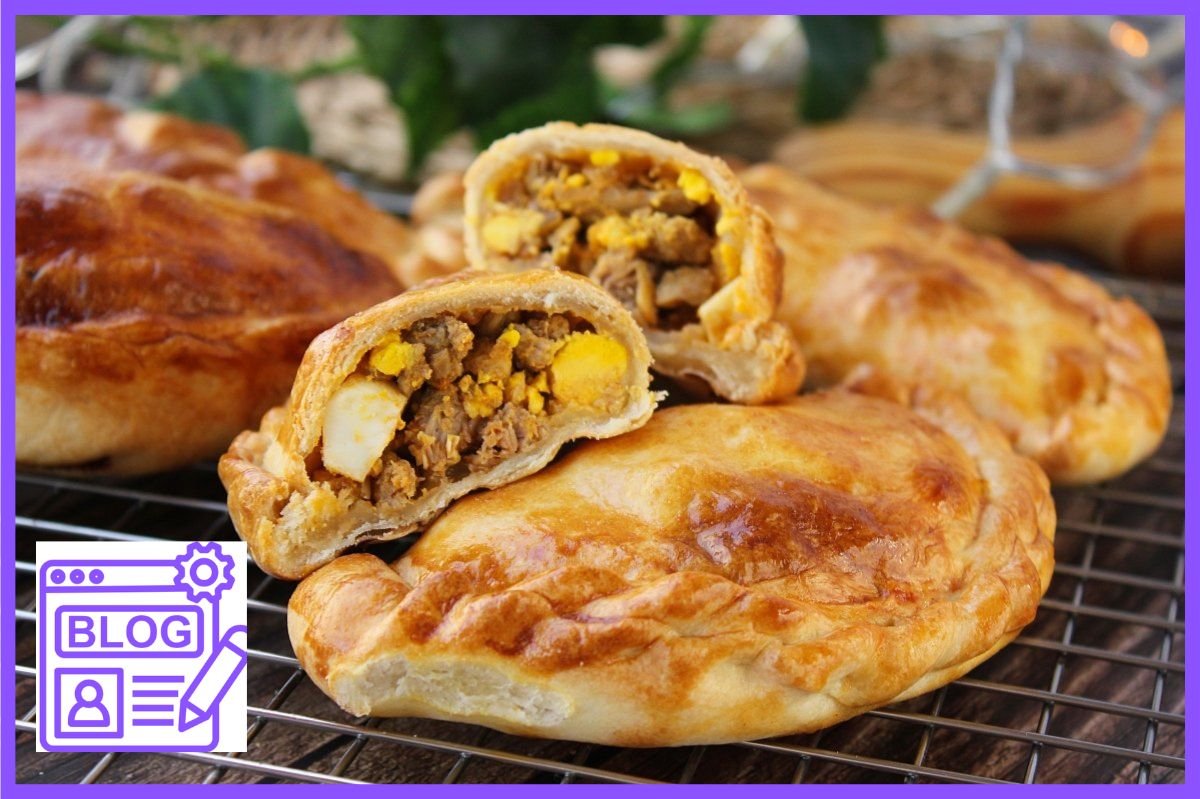
What sets this variety apart is a combination of three key elements: the dough, the filling, and the cooking method. The dough is typically made with wheat flour and beef fat (grasa vacuna), giving it a tender, slightly flaky texture that holds together beautifully. The filling — known as relleno — is a carefully spiced mixture of ground or hand-chopped beef (carne a cuchillo), hard-boiled eggs, green onions, and a blend of seasonings that varies slightly from cook to cook. And the cooking? Traditionally done in a clay or wood-fired oven called a tatacua, though modern ovens and frying are also common.
The History Behind the Empanada Tucumana
To truly appreciate the empanada tucumana, you need to understand where it comes from. Empanadas arrived in South America with Spanish colonizers in the 16th century, themselves influenced by Moorish pastries brought to the Iberian Peninsula centuries earlier. But as these recipes settled into different regions of Argentina, they evolved — shaped by local ingredients, indigenous influences, and the creativity of generations of home cooks.
Tucumán, nestled at the foot of the Andes and surrounded by fertile sugarcane fields and lush subtropical valleys, developed its own variation that became deeply tied to local identity. In the late 19th and early 20th centuries, as Argentina modernized and people moved from the interior to Buenos Aires and other cities, tucumanos brought their empanadas with them. Today, the empanada tucumana is found across Argentina and increasingly around the world.
Understanding this story helps explain why food enthusiasts are so passionate about finding an authentic version. An empanada made without the right spices, with the wrong dough, or cooked incorrectly just doesn’t carry the same weight — literally or emotionally.
What Makes an Authentic Empanada Tucumana Different?
The Dough Is Everything
Walk into any bakery or restaurant claiming to serve the empanada tucumana and the first test is the dough. Authentic Tucumán dough is soft, pliable, and just slightly rich from the animal fat used in its preparation. It should have a golden color when baked, with a gentle flake at the edges but enough structure to hold the juicy filling without falling apart.
Mass-produced empanadas often cut corners here, using vegetable shortening or commercial dough that turns tough and chewy. If the crust feels like cardboard or collapses the moment you pick it up, you’re not eating the real thing.
The Filling Must Be Juicy — But Not Soggy
The signature characteristic of a great empanada tucumana filling is its moisture. Authentic relleno is cooked low and slow to develop flavor, and it retains just enough juice to give you that satisfying burst when you take your first bite. This is why many tucumanos will tell you to eat your empanada de pie — standing up — to avoid dripping the savory juices everywhere.
The spices are carefully balanced: cumin, sweet paprika, and sometimes a touch of chili give warmth without overwhelming heat. The green onion (cebolla de verdeo) adds freshness. The chopped hard-boiled egg provides richness and texture. Everything works in harmony.
The Repulgue — The Signature Fold
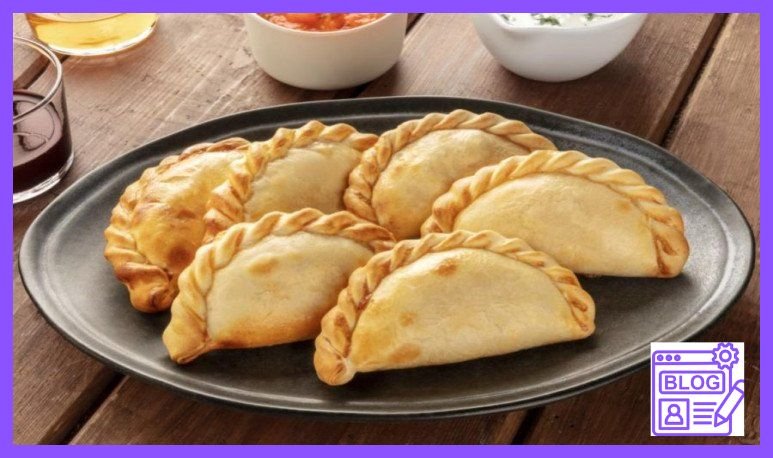
One of the most recognizable features of the empanada tucumana is its repulgue, the decorative crimped edge that seals the pastry. In Tucumán, the traditional repulgue involves a series of tight, overlapping folds that create a rope-like border along the top. This isn’t just decorative — it indicates the filling inside and prevents leaking during cooking. Expert empanada makers (empanaderas) can produce dozens of identical repulgues without even looking at their hands.
How to Find the Best Empanada Tucumana Near You
Look for Argentine Restaurants, Not Just “Latin” Spots
When searching for the best empanada tucumana near you, be specific in your search terms. A restaurant that serves generically Latin food may offer empanadas, but they’re unlikely to follow the Tucumán tradition. Look for restaurants that explicitly describe themselves as Argentine, or better yet, that mention Tucumán or northwestern Argentine cuisine.
Online review platforms like Google Maps, Yelp, and TripAdvisor can be helpful, but pay attention to what people are saying, not just the star rating. Reviews that mention “juicy filling,” “flaky dough,” or “just like in Argentina” are strong signals you’ve found a genuine spot.
Ask the Argentine Community
One of the best ways to track down an authentic empanada tucumana is to ask people who grew up eating them. Local Argentine expat communities often organize cultural events, food fairs, and social gatherings where homemade empanadas are served. Checking community boards, social media groups, or local Argentine cultural associations can lead you to hidden gems — home cooks and small vendors who make empanadas the traditional way, without the fanfare of a restaurant.
Farmers Markets and Food Festivals
In many cities across the United States, Europe, and Australia, Argentine expats have set up stalls at farmers markets or Latin food festivals. These are excellent places to find a properly made empanada tucumana, often made fresh on-site. The atmosphere alone — the smell of baking dough and spiced meat filling the air — is worth the trip.
What to Ask Before You Order
When you find a promising place, don’t hesitate to ask a few questions. Is the dough made in-house or bought pre-made? Is the beef hand-chopped or ground? Are the empanadas baked or fried? A vendor or chef who answers these questions with enthusiasm and specificity is someone who takes their craft seriously.
Baked vs. Fried: The Great Empanada Debate
One question that comes up constantly in conversations about the empanada tucumana is whether it should be baked or fried. The traditional answer in Tucumán leans toward baking — specifically in a wood-fired oven that gives the crust a slightly smoky, deeply golden finish that no conventional oven can quite replicate.
That said, fried empanadas tucumanas are also a beloved street food tradition. The frying creates an exceptionally crispy, bubbled exterior that contrasts beautifully with the moist, savory filling inside. Neither version is “wrong” — it comes down to personal preference and what the cook has mastered.
If you’re trying an empanada tucumana for the first time, try both versions if possible. You may discover a preference you didn’t know you had.
Pairing Your Empanada Tucumana: What to Drink and Eat Alongside
No guide to the empanada tucumana would be complete without a word about what to enjoy alongside it.
In Argentina, empanadas are commonly enjoyed with a glass of Malbec, the country’s flagship red wine. The wine’s earthy, fruit-forward character complements the spiced beef filling beautifully. A Torrontés, Argentina’s distinctive white wine, also pairs nicely if you prefer something lighter and aromatic.
Non-alcoholic options include mate, the traditional South American herbal drink, or a simple glass of sparkling water with a squeeze of lemon — enough to cleanse the palate between bites without competing with the flavors.
For a full Argentine spread, empanadas are often served as a starter (entrada) before a main course of grilled meats, or as the star of a casual lunch with friends, accompanied by a fresh green salad and chimichurri sauce on the side.
Making Empanada Tucumana at Home: Is It Worth Trying?
If finding an authentic empanada tucumana near you proves difficult, making them at home is a deeply rewarding project. The process is labor-intensive but not technically demanding — it just requires patience and practice.
The key is to take your time with the filling. Cook the onions low and slow, add the beef in stages, let the spices bloom in the fat, and allow the mixture to cool completely before filling the dough. Rushing this step results in a watery, underseasoned relleno that won’t do justice to the effort you’ve put in.
The dough can be made with lard (manteca de cerdo) for a more traditional result, though beef fat or even a good-quality butter can substitute. Roll it thin — about 3mm — for a delicate crust that bakes to a beautiful amber color.
Resources like Argentine cooking blogs and YouTube channels run by Argentine home cooks are excellent references. The website Directo al Paladar covers a wide range of empanada recipes with detailed technique notes.
Why the Empanada Tucumana Deserves Its Reputation
In a world saturated with fusion foods and reinvented classics, the empanada tucumana has remained remarkably faithful to its roots. It hasn’t needed a rebrand or a trendy twist to stay relevant. Its power lies in its simplicity — quality ingredients, honest technique, and a centuries-old recipe that has already been perfected.
Food writers and culinary experts, including those at Serious Eats and Bon Appétit, have increasingly spotlighted Argentine cuisine as one of the most underrated in the world. The empanada tucumana stands at the heart of that recognition.
When you bite into a great one, you’re not just eating a pastry. You’re tasting the Andean foothills, the clay ovens, the hands of a hundred generations of tucumanas who kept this recipe alive. That’s worth searching for.
FAQs
Q1: What is the difference between an empanada tucumana and a regular empanada?
An empanada tucumana is specifically from the Tucumán province of Argentina and follows a distinct recipe: beef fat dough, a juicy spiced beef filling with hard-boiled egg and green onion, and a traditional crimped seal called a repulgue. Regular empanadas vary widely by country and region, using different doughs, fillings, and cooking methods. The tucumana version is considered one of the most flavorful and technically refined styles.
Q2: Are empanadas tucumanas baked or fried?
Both methods are traditional. In Tucumán, wood-fired baking is the classic approach and produces a golden, slightly smoky crust. Fried empanadas tucumanas are also popular, especially as street food, and offer a crispier, more indulgent texture. The best choice depends on personal preference.
Q3: What spices are used in empanada tucumana filling?
The filling is typically seasoned with cumin, sweet paprika, salt, and sometimes a mild chili. These spices are balanced carefully so they add warmth and depth without overwhelming the natural flavor of the beef. The exact blend varies slightly between cooks and families, which is part of what makes each version unique.
Q4: Can I freeze empanadas tucumanas?
Yes. Empanadas tucumanas freeze very well, both before and after baking. If freezing unbaked, arrange them on a tray until solid, then transfer to freezer bags. Bake directly from frozen, adding 5–8 minutes to the standard cooking time. Already-baked empanadas can be reheated in an oven at 180°C (350°F) for about 10 minutes to restore their crispness.
Q5: How do I know if an empanada tucumana is authentic?
Look for a hand-crimped repulgue, a tender but structured dough, and a filling that is noticeably moist and well-spiced. When you bite in, you should experience a burst of savory juice. Authentic versions are made with hand-chopped or coarsely ground beef, not a uniform paste. If it’s dry, bland, or sealed with a fork press instead of a traditional fold, it’s likely not the real thing.

Ryan Beck is an experienced SEO strategist and blogging expert with over 20+ years of hands-on experience in digital marketing. He has built a strong reputation for helping businesses grow their online presence through data-driven SEO strategies, high-quality content creation, and audience-focused blogging.