Best Mondongo Soup Near Me: Your Ultimate Guide to Finding and Loving This Legendary Latin Dish
Introduction: The Soup That Brings Entire Communities to the Table
There are certain dishes in the world that go far beyond food. They carry stories, traditions, memories, and a sense of belonging that no trendy restaurant concept or fusion experiment can replicate. Mondongo soup is one of those dishes. Rich, deeply flavored, slow-cooked to perfection, and anchored in generations of Latin American and Caribbean culinary tradition, this is a soup that means something to the people who grew up eating it — and endlessly fascinates the people who discover it for the first time.
If you have recently found yourself searching for the best mondongo soup near you, you are in good company. As Latin cuisine continues its well-deserved rise to wider recognition across the United States and beyond, mondongo is emerging from neighborhood gems and family-run kitchens into a broader spotlight. Food lovers who have taken even a single spoonful of a properly made bowl understand immediately why this dish inspires such fierce loyalty.
This guide is for everyone who wants to understand mondongo soup more deeply — what it is, where it comes from, what makes a truly great bowl, how to find the best version near you, how different cultures interpret it, and what you should know before you walk through the door of your local Latin restaurant and order a bowl. By the time you finish reading, you will not just know where to find mondongo soup. You will know exactly what you are looking for and why it matters.
What Is Mondongo Soup and Why Is It So Special?
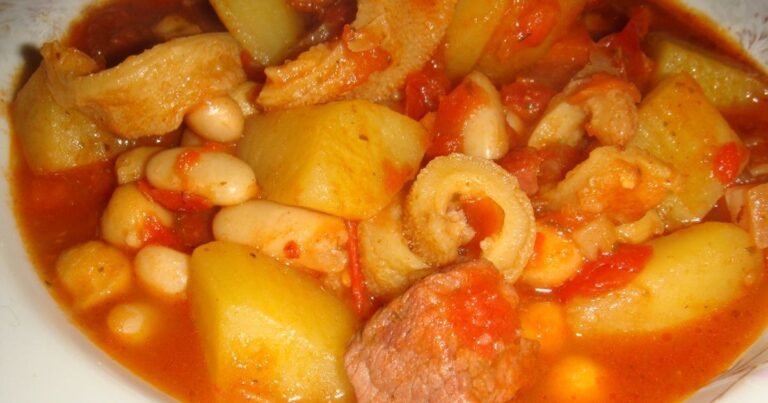
At its most fundamental level, mondongo soup is a slow-cooked stew built around tripe — the cleaned stomach lining of beef — combined with vegetables, herbs, spices, and often additional proteins depending on the regional tradition in which it is prepared. The word mondongo itself refers to the tripe that forms the heart of the dish, and it has been used across Latin America and the Caribbean for centuries to describe both the ingredient and the beloved soup built around it.
What makes mondongo special is not any single ingredient in isolation — it is the alchemy that happens when those ingredients are cooked together over long, patient heat. Tripe, which has a mild flavor and a distinctive, pleasantly chewy texture, becomes the canvas onto which an extraordinary depth of flavor is painted through the cooking process. Sofrito, a fragrant base of onion, garlic, peppers, and tomatoes, forms the aromatic backbone. Potatoes, yuca, corn on the cob, chickpeas, and fresh herbs build layers of substance and nutrition.
The result is a soup that is simultaneously rustic and complex — humble in its origins but remarkable in its execution when made with care and knowledge. A great bowl of mondongo soup is warming in a way that goes beyond temperature. It is the kind of food that makes you feel genuinely looked after.
The Rich Cultural History Behind Mondongo Soup
How Mondongo Became a Symbol of Latin Culinary Heritage
The history of mondongo soup is inseparable from the history of the communities that created it. Like many of the world’s great comfort dishes, mondongo has its roots in resourcefulness. Tripe, being one of the less coveted cuts of beef, was historically the part of the animal most accessible to working-class families and communities with limited resources. The genius of Latin and Caribbean cooks across generations was transforming this humble ingredient into something that wealthy households would eventually envy and seek out.
The dish traveled and evolved with the people who made it. From Colombia to Puerto Rico, from the Dominican Republic to Venezuela, from Peru to Cuba, every country and every region developed its own variation of mondongo, adjusting the spice profile, the accompanying vegetables, the broth depth, and the serving traditions to reflect local ingredients and tastes.
In Colombia, mondongo soup is a celebrated national dish, often served as a substantial midday meal with rice, bread, and avocado on the side. In Puerto Rico, it takes on a distinctly Caribbean character with the addition of plantains, culantro, and sofrito that carries the island’s signature flavor profile. In the Dominican Republic, mondongo is frequently served at weekend gatherings, where it functions as the centerpiece of a communal meal rather than just a single-serving dish.
This cultural richness is part of what makes seeking out great mondongo so rewarding. Each bowl you encounter carries the culinary fingerprints of a specific community and tradition.
Mondongo as Weekend and Celebration Food
Across virtually all the cultures that claim mondongo as their own, there is a consistent pattern: this soup is associated with weekends, celebrations, and community. In many Latin households, mondongo is the dish that gets made on a Sunday morning, filling the house with aromas for hours before the family sits down together.
This association with leisure and togetherness is not accidental. Mondongo soup requires time — proper time spent cleaning the tripe, building the sofrito, allowing the long simmer that transforms tough proteins into something tender and sublime. That investment of time means mondongo is rarely a weeknight shortcut meal. It is a dish made with intention, and it carries that intention in every spoonful.
When you search for the best mondongo soup near you and find a restaurant that has been making it for years, you are often tasting the product of a family recipe that has been passed down and refined across generations. That is a rare and special thing in any culinary tradition.
Regional Variations of Mondongo Soup You Should Know About
Colombian Mondongo: Depth and Substance
Colombian mondongo soup is perhaps the most internationally recognized version of the dish, and for good reason. The Colombian preparation tends to produce a particularly rich, deeply flavored broth achieved through a longer cooking process and a generous use of aromatics. Potatoes are a consistent presence, as are tomatoes, scallions, and fresh cilantro added at the end to brighten the dish.
Colombian mondongo is typically served as a full meal rather than a starter, accompanied by white rice, fresh bread or arepas, sliced avocado, and a squeeze of lime. The combination of textures and flavors — the tender tripe, the earthy potatoes, the fresh cilantro, the creamy avocado — creates a meal that is satisfying in every dimension.
If you are looking for mondongo soup near you and find a Colombian restaurant on the map, starting there is an excellent decision.
Puerto Rican Mondongo: Island Warmth in a Bowl
Puerto Rican mondongo carries the distinctive flavor signature of Caribbean sofrito — a preparation that typically includes culantro, ají dulce peppers, garlic, onion, tomato, and sometimes recao, a herb with a flavor between cilantro and parsley. This sofrito is the soul of Puerto Rican cooking, and it transforms mondongo into something that is unmistakably and beautifully of the island.
The Puerto Rican version often includes a wider variety of root vegetables, such as yautía and name, alongside potatoes and sometimes plantains. The result is a thicker, more substantial soup with a broth that carries the warm, aromatic intensity of Caribbean spice traditions.
Finding authentic Puerto Rican mondongo soup near you is a genuinely special experience, particularly in cities with established Puerto Rican communities such as New York, Orlando, and Philadelphia.
Dominican Mondongo: Bold, Aromatic, and Satisfying
Dominican mondongo shares some ingredients with its Puerto Rican cousin but has its own distinctive character rooted in the flavors of the Dominican Republic’s culinary tradition. The use of sazón, oregano, and a specific blend of aromatics gives Dominican mondongo a boldness and aroma that fills the room the moment the bowl arrives at your table.
In the Dominican Republic, mondongo soup is often served with a side of white rice and fried plantains — a combination that balances the richness of the broth with the neutral comfort of the rice and the slight sweetness of the plantains. This pairing is one of the great flavor combinations in Caribbean cuisine and is worth seeking out on its own merits.
Peruvian Mondongo: A Spiced Andean Classic
Peru’s version of mondongo soup reflects the country’s extraordinary culinary heritage, which blends indigenous Andean ingredients with Spanish, African, and Asian influences. Peruvian mondongo often includes ají panca — a mild, fruity dried pepper with deep red color and earthy flavor — which gives the broth a distinctive warmth and a beautiful color.
Peruvian mondongo may also include hierbabuena (fresh mint), which adds an unexpected but genuinely wonderful brightness to the rich broth. This is a version of the soup that surprises even experienced mondongo lovers with its complexity and the way its various flavor layers reveal themselves as you eat.
How to Find the Best Mondongo Soup Near You
Using Search and Review Platforms Strategically
When you are on the hunt for the best mondongo soup near you, digital tools are your best starting point. Google Maps, Yelp, and dedicated food discovery platforms like The Infatuation allow you to search specifically for Latin restaurants and filter by cuisine type, ratings, and distance. Searching “mondongo soup” directly in these platforms often surfaces specific restaurant listings where the dish is highlighted in reviews or menu descriptions.
Pay close attention to reviewer comments that specifically mention the mondongo. Generic positive reviews of a restaurant are helpful, but reviews from people who have specifically ordered and praised the mondongo are far more useful for your particular search. Phrases like “the mondongo is the reason I keep coming back” or “best tripe soup in the city” are strong signals worth following.
According to Yelp’s food trend data, searches for Latin and Caribbean dishes have grown significantly in recent years, reflecting both increased immigration and a broader cultural appreciation for the depth and diversity of Latin cuisine. This means that in most mid-sized to large American cities, finding quality mondongo soup has become more achievable than it was even five years ago.
Asking the Community Directly
Some of the best restaurant recommendations come not from algorithms but from people. Local Facebook groups dedicated to food, neighborhood community boards, and Reddit communities for specific cities are excellent places to ask directly where to find great mondongo soup near you.
Latin community organizations, cultural centers, and churches are also worth exploring. Many communities host weekend events or food fairs where home cooks sell traditional dishes including mondongo soup, and the quality at these events is often exceptional — because the people cooking have been making this dish for their families their entire lives, not just for paying customers.
What to Look for When You Arrive
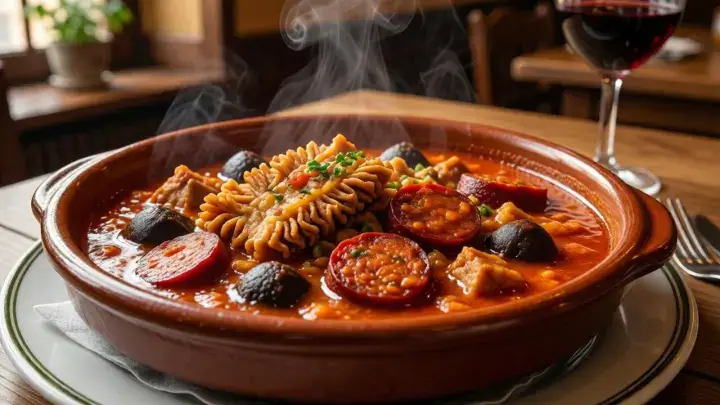
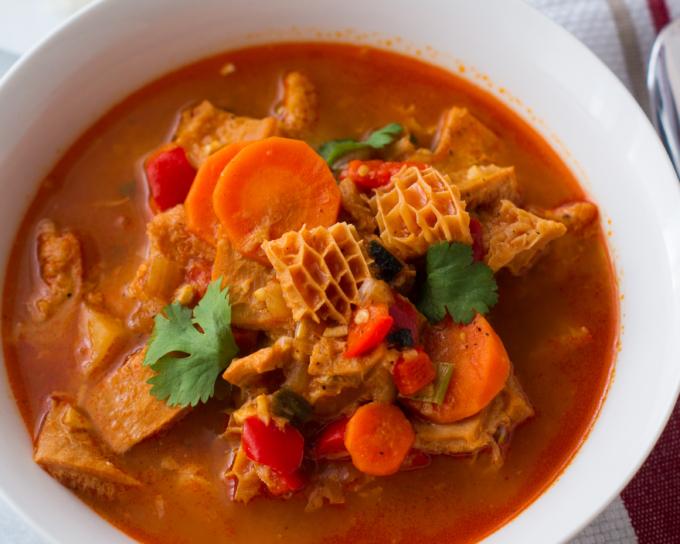
When you walk into a restaurant and order mondongo soup, there are a few indicators of quality that experienced eaters look for. The broth should be deep in color — ranging from golden to reddish-brown depending on the regional preparation — and it should smell aromatic and complex, with the fragrance of sofrito and herbs immediately evident.
The tripe itself should be tender without being mushy. Properly prepared tripe has a satisfying chew that holds up in the broth without dissolving. It should be clean in flavor — the characteristic mild, slightly mineral taste of well-prepared tripe, without any off-putting odor that indicates improper cleaning or preparation.
The vegetables should be cooked through but not falling apart, and the overall soup should have a richness and body that comes from a long, slow simmer rather than the thin, watery quality of a broth that was rushed.
The Nutritional Profile of Mondongo Soup
Beyond its extraordinary flavor, mondongo soup is a genuinely nutritious dish. Tripe is a high-protein, low-fat source of several important nutrients including zinc, selenium, and vitamin B12. According to Healthline, organ meats like tripe are among the most nutrient-dense foods available and have been a valued part of traditional diets across cultures for thousands of years.
The vegetable components of mondongo — potatoes, yuca, corn, chickpeas — add complex carbohydrates, dietary fiber, and additional vitamins and minerals. The result is a soup that is not just satisfying but genuinely nourishing in a well-rounded way.
This nutritional completeness is another reason mondongo has served as a staple in working communities across Latin America and the Caribbean. A single generous bowl provides substantial energy and nutrition — everything a family needed to sustain a day of hard work, all in one pot.
How to Make Mondongo Soup at Home If You Cannot Find It Nearby
For those who cannot easily find mondongo soup near them, making it at home is a genuinely rewarding project. The most important step is sourcing properly cleaned tripe from a reputable butcher or Latin grocery store. Many Latin markets carry pre-cleaned tripe that has been treated with lime juice to remove any odor, which significantly simplifies the preparation process.
The basic technique involves simmering the tripe in seasoned water until tender — which typically takes one to two hours depending on thickness — then building a sofrito of onion, garlic, peppers, and tomatoes in a separate pan before combining everything with broth, vegetables, and spices for the final cooking stage.
Resources like Serious Eats and dedicated Latin cooking channels on YouTube offer detailed, tested recipes for mondongo across multiple regional traditions, and the community of home cooks who specialize in this dish is generous with guidance and technique.
Conclusion: Mondongo Soup Deserves a Place at Every Food Lover’s Table
If there is one thing this guide hopes to convey, it is that mondongo soup is not a niche dish for a narrow audience. It is one of the great soups of the world — built on tradition, elevated by skill, nourishing in every sense of the word, and genuinely delicious in a way that lingers in memory long after the bowl is empty.
Whether you find your perfect bowl at a family-run Colombian restaurant, a Puerto Rican lunch counter, a Dominican neighborhood spot, or a Peruvian kitchen with decades of history on the menu, the experience of discovering great mondongo soup near you is one that rewards curiosity and openness.
Go looking for it. Ask around. Read reviews. Trust the places that have been cooking it for years. And when you finally sit down with a steaming bowl of properly made mondongo in front of you, take a moment before the first spoonful to appreciate what you are about to experience — a dish that has fed, comforted, and united communities across continents for generations. It will taste even better for it.
Frequently Asked Questions About Mondongo Soup
Q1: What exactly is mondongo soup made of?
Mondongo soup is a slow-cooked stew built primarily around tripe — the cleaned stomach lining of beef — combined with a sofrito base of onions, garlic, peppers, and tomatoes, along with vegetables such as potatoes, yuca, corn on the cob, and chickpeas depending on the regional preparation. Additional seasonings including cumin, oregano, sazón, and fresh herbs like cilantro are used to build the flavor of the broth. The dish varies by country and region, but the core combination of tender tripe, aromatic sofrito, and hearty vegetables is consistent across all versions.
Q2: What does mondongo soup taste like?
Mondongo soup has a rich, deeply savory flavor profile with layers of aromatic complexity from the sofrito base. The broth is hearty and warming, with an earthy depth that comes from the slow cooking of the tripe alongside vegetables and spices. The tripe itself has a mild, slightly mineral flavor and a pleasantly chewy texture when properly prepared. The overall taste experience is one of genuine comfort food — filling, flavorful, and satisfying in a way that lighter soups rarely achieve. Different regional versions carry distinct flavor signatures, from the cilantro brightness of Colombian mondongo to the ají panca warmth of Peruvian preparations.
Q3: Is mondongo soup healthy?
Yes, mondongo soup is a nutritious dish. Tripe is a high-protein, relatively low-fat ingredient that is rich in zinc, selenium, vitamin B12, and other important micronutrients. The vegetable components add complex carbohydrates, dietary fiber, and vitamins. The broth, made from simmering ingredients over long periods, is rich in collagen and gelatin, which support joint and gut health. As with any dish, portion size and accompanying sides affect the overall nutritional balance, but a bowl of properly made mondongo is a wholesome and nourishing meal by any reasonable measure.
Q4: How do I find the best mondongo soup near me?
The most effective approach combines digital search tools with community knowledge. Search Google Maps or Yelp for Latin restaurants in your area and look for specific mentions of mondongo in reviews. Searching directly for “mondongo soup” on these platforms often surfaces relevant restaurant results. Beyond digital tools, asking in local food-focused social media groups, Latin community organizations, and neighborhood forums can surface recommendations that algorithms might miss — including pop-up events, weekend food markets, and home cooks who occasionally sell traditional dishes to the community.
Q5: Can I make mondongo soup at home, and is it difficult?
Mondongo soup is absolutely achievable at home, though it requires patience more than technical skill. The most important steps are sourcing properly cleaned tripe from a Latin grocery store or reputable butcher, allowing sufficient time for the tripe to become tender during the initial simmer, and building a genuinely flavorful sofrito as the flavor base. The overall cooking time from start to finish is typically two to three hours, most of which is hands-off simmering time. Detailed recipes from trusted sources like Serious Eats or Latin cooking channels on YouTube provide reliable guidance for home cooks at any skill level.
best ensalada de arvejas y jamon near me

Ryan Beck is an experienced SEO strategist and blogging expert with over 20+ years of hands-on experience in digital marketing. He has built a strong reputation for helping businesses grow their online presence through data-driven SEO strategies, high-quality content creation, and audience-focused blogging.