Choripan Completo: The Ultimate Guide to South America’s Most Beloved Street Food Sandwich
Introduction
If you have ever walked through the streets of Buenos Aires, Santiago, or any vibrant Latin American neighborhood and caught the unmistakable aroma of sausage sizzling over open flames, you already know what a choripan completo smells like before you even taste it. It is one of those rare foods that manages to be humble and extraordinary at the same time — a crusty bread roll cradling a perfectly grilled chorizo, dressed with layers of bold, colorful toppings that make every bite an event.
The choripan completo is more than just a sandwich. It is a cultural institution, a street-corner ritual, and an edible love letter to the art of simple cooking done exceptionally well. Whether you are discovering this iconic bite for the first time or you are a seasoned devotee searching for the best version near you, this guide covers everything you need to know — its roots, its anatomy, regional variations, where to find the most authentic experience, and how to make one at home that genuinely does justice to the tradition.
What Exactly Is a Choripan Completo?
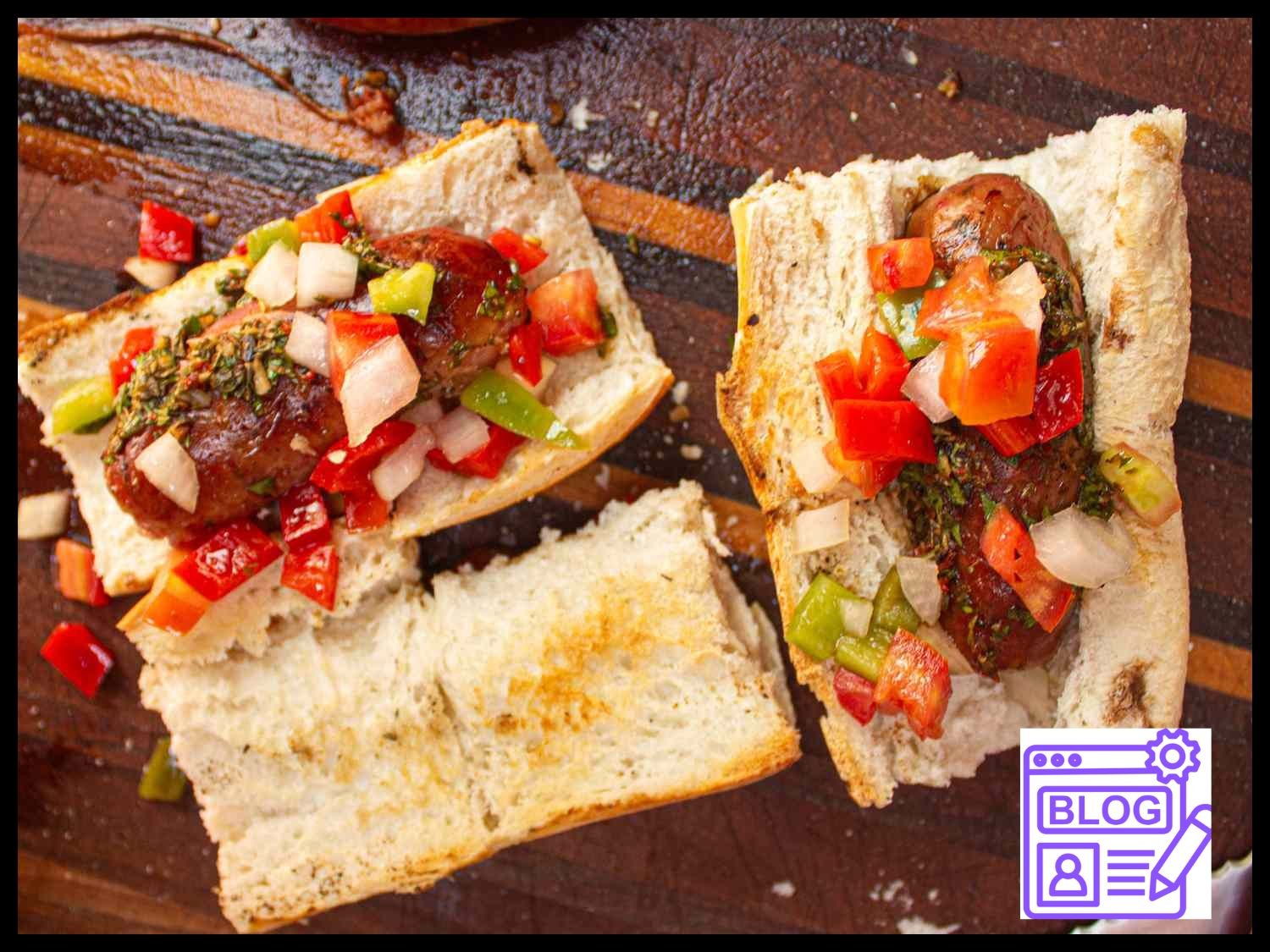
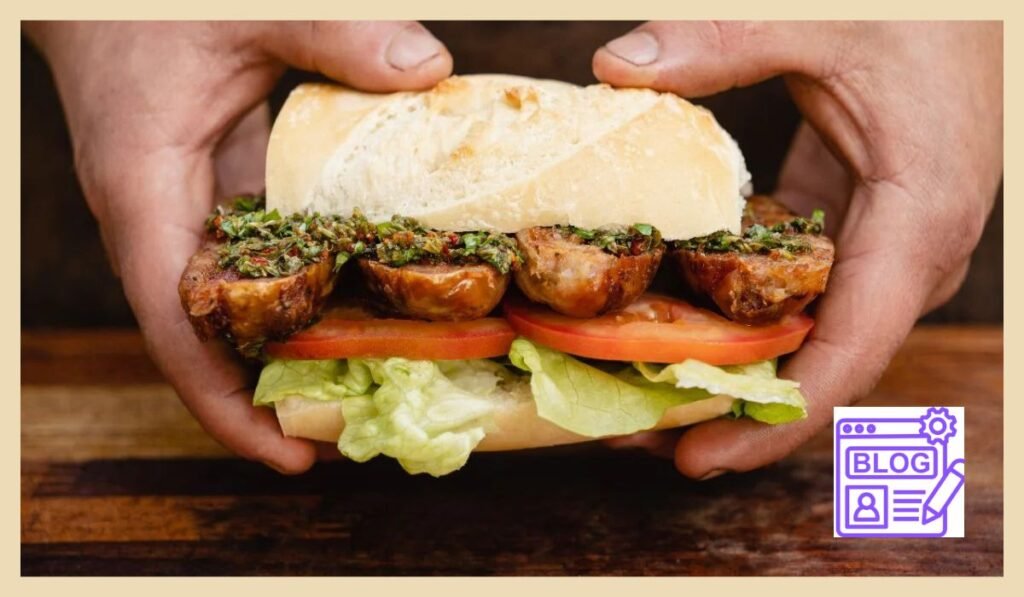
The word “choripan” is a portmanteau of chorizo (the grilled sausage) and pan (the bread). In its most basic form, it is a split crusty baguette-style roll filled with a butterflied, char-grilled chorizo. But a choripan completo — the “complete” version — goes several layers further.
The “completo” designation signals that the sandwich comes fully loaded. Depending on the region and the vendor, this can include chimichurri sauce, salsa criolla (a fresh onion and tomato relish), sliced avocado or guacamole, mayonnaise, mustard, hot sauce, pickled vegetables, and sometimes even a fried egg. The result is a sandwich that is simultaneously smoky, tangy, creamy, and fresh — a balance of textures and flavors that is incredibly difficult to stop eating once you start.
Think of it as South America’s answer to the hot dog, but bolder, meatier, and far more complex in flavor. Understanding the choripan completo starts with understanding each of its components and why they matter so much to the people who eat them.
The History and Cultural Soul Behind the Choripan
The choripan’s origins trace back to Argentina and Chile, where grilled meat culture — known as asado — is practically a religion. Long before it became a street food staple, chorizo was the sausage that appeared first at every parrillada (barbecue), grilled as an appetizer while the larger cuts of beef slow-cooked over the coals.
Eventually, someone brilliant had the idea to tuck that grilled sausage into a bread roll, and a cultural phenomenon was born. By the mid-20th century, the choripan had migrated from family backyards to street corners, football stadiums, and roadside parrillas across Argentina, Chile, Uruguay, and eventually much of South America.
The choripan completo, with all its gloriously loaded toppings, evolved naturally as vendors and home cooks began competing to create the most satisfying version. Chimichurri — that herb-forward, garlic-punching green sauce made from parsley, garlic, oregano, red pepper flakes, olive oil, and vinegar — became the non-negotiable condiment. Salsa criolla, a more acidic and lighter relish of finely diced onions, tomatoes, and bell peppers, joined the equation as a brightness counterpart to the fatty richness of the sausage.
Today, the choripan completo is deeply woven into the social fabric of South American life. It is the food of protest rallies and soccer matches, Sunday markets and late-night hunger, shared between strangers and old friends alike.
Breaking Down the Perfect Choripan Completo: Component by Component
The Bread: More Important Than You Think
The bread in a choripan completo is not an afterthought. A proper marraqueta or pan francés — the classic Chilean or Argentine crusty roll — has a crackly exterior and a soft, airy interior that absorbs the sausage juices and chimichurri without turning soggy. The bread must hold structural integrity through every topping, which is a genuine engineering challenge when you are dealing with runny sauces and juicy meat.
Many street vendors lightly toast the cut side of the bread directly on the grill, adding a subtle smokiness and a slightly caramelized surface that improves texture dramatically. If you cannot find authentic Latin bread rolls, a good French baguette cut into sections is the best substitute.
The Chorizo: The Heart of the Sandwich
Not all chorizo is the same, and understanding the difference matters enormously. South American chorizo — particularly Argentine-style chorizo criollo — is a fresh, coarse-ground pork sausage seasoned with smoked paprika, garlic, cumin, and white wine. It is lighter in color than the cured Spanish chorizo you might find in a tapas restaurant, and it is meant to be cooked fresh rather than eaten cured.
The preparation method is equally important. A great choripan completo starts with a chorizo that has been butterflied — split lengthwise without fully separating — and pressed flat on a hot grill. This technique maximizes the surface area exposed to direct heat, creating more charred, caramelized crust while keeping the interior juicy. The fat renders out slowly, basting the meat from within.
Chimichurri: The Sauce That Defines Everything
If there is one element that elevates a choripan completo above ordinary street food, it is a well-made chimichurri. Authentic chimichurri is vibrantly green, herby, and sharp — a raw sauce of finely chopped flat-leaf parsley, minced garlic, dried oregano, crushed red pepper, good olive oil, and red wine vinegar. Some versions include fresh cilantro or a touch of smoked paprika.
The key is freshness and balance. The vinegar cuts through the fat of the chorizo. The garlic punches through everything. The herbs bring brightness. When chimichurri is applied generously to a hot sausage on warm bread, it wilts ever so slightly, releasing an aroma that is arguably one of the best smells in all of food.
Salsa Criolla: The Underrated Supporting Act
Where chimichurri brings depth and richness, salsa criolla brings lift and acidity. Made from finely diced white onion, ripe tomato, green or red bell pepper, olive oil, vinegar, and fresh parsley, this relish cuts through the heaviness of the sausage and adds a pleasant crunch. It is light and refreshing in a way that makes the overall sandwich feel balanced rather than overwhelming.
On a true choripan completo, both chimichurri and salsa criolla appear together, layered generously on top of the sausage.
Regional Variations: How the Choripan Completo Changes Across South America
The beauty of the choripan completo is that while its soul stays the same, its expression shifts depending on where you eat it.
In Argentina, particularly in Buenos Aires, the version is often relatively restrained — the focus is on the quality of the chorizo and the chimichurri, with salsa criolla as the main supporting element. Mustard is a common addition. The bread tends to be lighter and crustier.
In Chile, the “completo” culture is taken even further. The Chilean completo hot dog tradition — loaded with tomatoes, avocado, and mayonnaise — bleeds into the choripan world, and it is not uncommon to find a choripan completo in Santiago topped with smashed avocado and a drizzle of mayonnaise alongside the more traditional condiments.
In Uruguay, the choripan often appears alongside morcilla (blood sausage), served together in what locals call a mixto. The accompaniments tend to be simpler, letting the quality of the meat speak loudly.
In the United States and internationally, Latin American communities and food trucks have brought the choripan completo to cities like New York, Miami, Los Angeles, and Chicago, often adding creative local twists while preserving the essential character of the original.
How to Find the Best Choripan Completo Near You
Searching for a great choripan completo near you requires knowing where to look. The best experiences tend to come from a few key sources.
Authentic Latin American restaurants with Argentine or Chilean roots are often the most reliable starting point. Look for places that list parrilla dishes or asado on their menus — these establishments understand the importance of properly grilling the chorizo and making chimichurri from scratch rather than reaching for a jarred version.
Food trucks have become one of the most exciting venues for discovering a genuinely great choripan completo, particularly in urban areas with large Latin American communities. Many food truck operators bring deeply personal family recipes to their craft, and the informal setting encourages the kind of bold, generous cooking that this sandwich thrives on.
Latin street fairs, cultural festivals, and weekend markets are another goldmine. The atmosphere at these events perfectly mirrors the social context in which the choripan was born — crowds, noise, smoke, and community. Vendors at these events often take immense pride in their recipes.
When evaluating any choripan completo, pay attention to whether the chorizo is butterflied and grilled rather than simply pan-fried, whether the chimichurri is made in-house, and whether the bread has any grill marks or toasting. These details reveal whether the kitchen genuinely respects the tradition.
Making an Authentic Choripan Completo at Home
You do not need to travel to Buenos Aires to enjoy a great choripan completo. With a few quality ingredients and a hot grill, you can recreate this experience in your own backyard.
Start by sourcing good Argentine-style fresh chorizo from a Latin grocery store or butcher. Prepare the chimichurri at least an hour before cooking to allow the flavors to meld — combine a large bunch of finely chopped flat-leaf parsley with four or five minced garlic cloves, a tablespoon of dried oregano, a teaspoon of crushed red pepper flakes, half a cup of olive oil, and three tablespoons of red wine vinegar, then season with salt.
For the salsa criolla, dice half a white onion, one ripe tomato, and half a red bell pepper as finely as you can. Dress with olive oil, vinegar, and a pinch of salt, then set aside.
Heat your grill to high. Butterfly each chorizo by slicing lengthwise about three-quarters of the way through and pressing flat. Grill cut-side down first for three to four minutes, then flip and cook the rounded side for another four to five minutes until cooked through with good char. Toast the cut sides of your rolls on the grill for sixty seconds.
Build each choripan completo by laying the chorizo in the bread, spooning chimichurri generously over the meat, then piling on the salsa criolla. Add sliced avocado and a drizzle of mayonnaise if you are going for the Chilean-influenced version. Eat immediately, ideally standing at a table outside with a cold beer.
Why the Choripan Completo Deserves a Permanent Place in Your Food Life
In a world increasingly dominated by overly complex, heavily branded food trends, the choripan completo stands as a reminder of what great cooking really means. It is deeply rooted in tradition, built on quality ingredients, and designed to be shared in communal settings with people you enjoy. It demands nothing more than an excellent sausage, fresh bread, and a sauce made with care.
Whether you are discovering the choripan completo for the first time through a neighborhood food truck or recreating it at a backyard grill party, you are participating in a culinary tradition that stretches back generations and spans an entire continent. That is not something many sandwiches can claim.
FAQs
What is the difference between a choripan and a choripan completo?
A basic choripan is simply a grilled chorizo in a bread roll, often served with just chimichurri. A choripan completo takes it further by adding multiple toppings — typically chimichurri, salsa criolla, avocado, mustard, mayonnaise, and sometimes a fried egg — making it a fully loaded, more substantial sandwich experience.
What kind of chorizo is used in an authentic choripan completo?
Authentic choripan uses fresh South American chorizo, particularly Argentine-style chorizo criollo, which is a coarse-ground fresh pork sausage seasoned with paprika, garlic, and white wine. It is very different from the cured, dried Spanish chorizo commonly found in European-style grocery stores. Always look for fresh, raw chorizo that needs to be cooked rather than sliced and eaten cold.
Can I make choripan completo without a grill?
Yes, though a grill produces the best results. You can achieve a good choripan completo using a cast-iron grill pan over high heat on your stovetop. The key is to get the pan very hot before adding the butterflied chorizo to create proper char and caramelization. A broiler can also help toast the bread effectively if an outdoor grill is not available.
What bread works best for a choripan completo?
The traditional choice is a marraqueta (Chilean) or pan francés (Argentine) — both are crispy, crusty rolls with a light interior. In North America or Europe, a French baguette cut into individual portions or a ciabatta roll are the closest widely available alternatives. Avoid soft sandwich bread, which will become soggy under the weight of the toppings and sauces.
Is chimichurri the same as pesto?
No, though both are green herb sauces. Chimichurri is a South American condiment made primarily from flat-leaf parsley, garlic, oregano, red pepper flakes, olive oil, and red wine vinegar. It is sharper, more acidic, and lighter in body than Italian pesto, which uses basil, pine nuts, Parmesan, and olive oil. The two have entirely different flavour profiles, and chimichurri’s acidity is specifically what makes it the perfect companion for rich, fatty grilled meats like the chorizo in a choripan completo.

Ryan Beck is an experienced SEO strategist and blogging expert with over 20+ years of hands-on experience in digital marketing. He has built a strong reputation for helping businesses grow their online presence through data-driven SEO strategies, high-quality content creation, and audience-focused blogging.