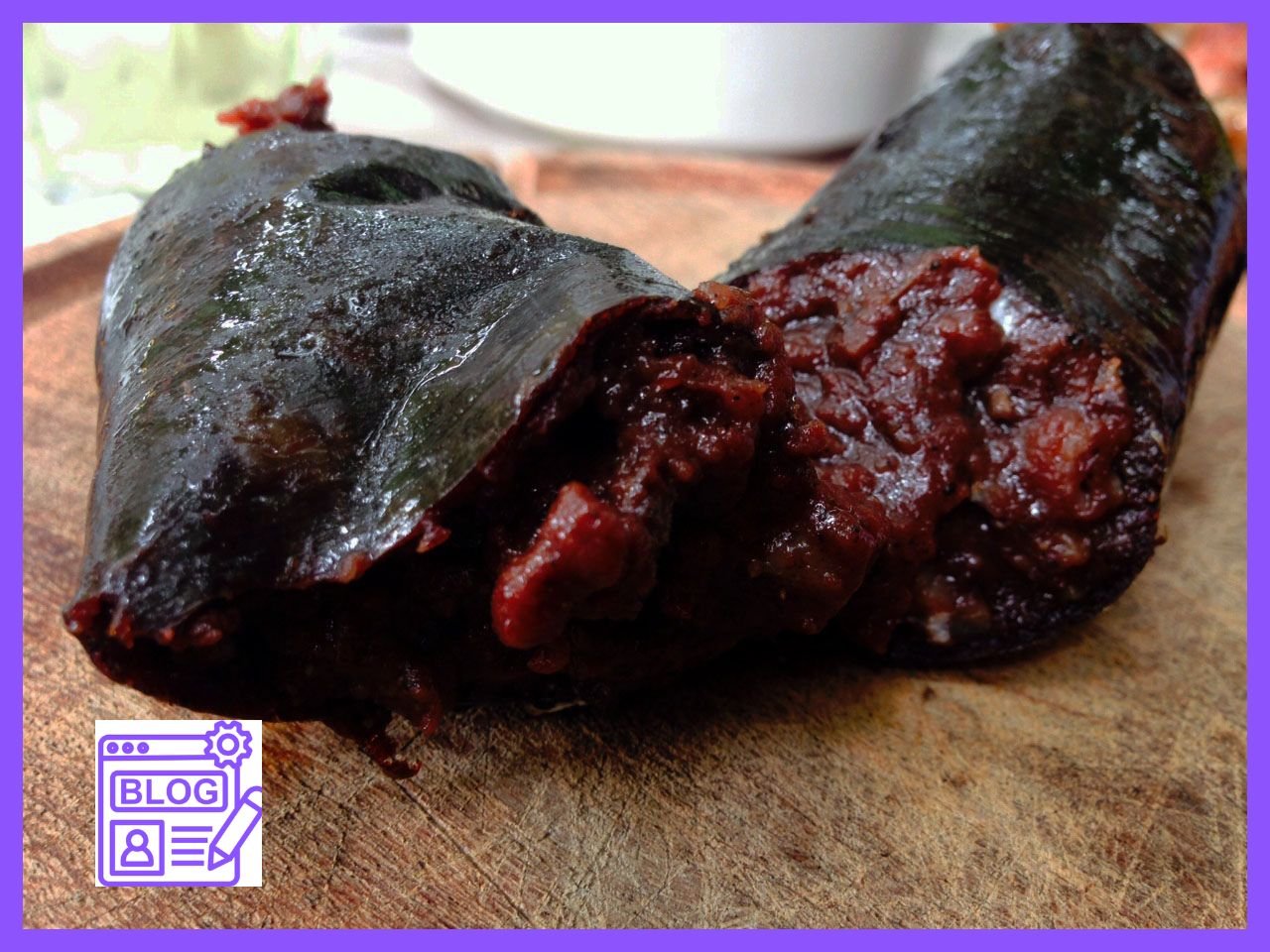
Best Morcipan Near Me: The Ultimate Guide to Finding and Enjoying This Beloved Almond Confection
There are certain sweet things in life that feel like a warm memory wrapped in sugar and almonds. Morcipan — a beloved almond-based confection known by many names and enjoyed across cultures — is one of those rare treats that combines simplicity with extraordinary depth of flavor. Whether you first tasted it as a child tucked inside a holiday gift box or discovered it recently at a local bakery, the experience tends to linger. If you have been searching for the best morcipan near me, you are not alone. This guide is here to walk you through everything — what morcipan truly is, where to find it, how to identify quality, and why this centuries-old sweet deserves a permanent place in your life.
What Is Morcipan and Why Does It Have So Many Fans?
Morcipan is the regional or colloquial spelling variation of marzipan, a confection made primarily from ground almonds, sugar, and a binding agent — typically egg whites or rose water. The result is a smooth, pliable, slightly sweet paste that can be molded into shapes, used as a cake filling, covered in chocolate, or enjoyed on its own. Depending on where you are in the world, morcipan might taste nuttier, sweeter, or more floral, but the core character remains unmistakable.
What makes this almond confection so universally adored is its versatility. A good piece of morcipan can be delicate and refined, suitable for the most elegant patisseries, or it can be hearty and rustic, rolled into balls and dusted with powdered sugar at a neighborhood sweet shop. It bridges the gap between candy, confectionery art, and baking ingredient in a way that very few foods can.
The global fan base for morcipan is enormous. From the elaborate Lübecker Marzipan of Germany, which carries a protected geographical indication, to the Spanish mazapán de Toledo crafted from local almonds and honey, this sweet has roots across Europe and has spread far beyond.
The Rich History Behind Morcipan
To truly appreciate morcipan, you need to understand where it came from. Food historians trace the origins of this almond paste back to the Middle East and Persia, where almonds and sugar were first combined into a luxurious sweet around a thousand years ago. The preparation traveled westward through Arab trade routes into Spain and Sicily, and from there spread across continental Europe during the medieval period.
By the Renaissance era, morcipan had become a status symbol. It was expensive to produce because both almonds and refined sugar were luxury commodities. Wealthy households would commission elaborate morcipan sculptures for banquets — edible centerpieces shaped like animals, fruits, and architectural wonders. This tradition of artistic morcipan sculpting survives today in the form of holiday figurines, wedding cake decorations, and the playful marzipan fruits sold in Italian and Spanish confectionery shops.
The German city of Lübeck has perhaps the most famous relationship with morcipan in the modern world. Lübeck’s marzipan is so celebrated that it earned European Union protected status, meaning only confections produced within the city using traditional methods can carry that prestigious name. Konditorei Niederegger, founded in 1806, remains one of the most iconic morcipan producers in the world and is worth knowing about even if you cannot visit in person.
How to Find the Best Morcipan Near You
Searching for the best morcipan near me often leads people down a surprisingly rewarding path of discovery. The good news is that quality morcipan is more accessible today than ever before, thanks to artisan bakeries, specialty import shops, and online retailers. Here is how to approach your search intelligently.
Start With Artisan Bakeries and Patisseries
Independent bakeries and patisseries are your best starting point. Unlike mass-produced options, these establishments often make morcipan in small batches using higher almond-to-sugar ratios and quality ingredients. When you walk in, do not be afraid to ask about their almond content — superior morcipan typically contains at least 50 percent almonds by weight, and the finest varieties go as high as 66 percent.
Ask whether the bakery uses natural almond flavor or artificial extracts. Authentic morcipan relies on the natural oils of ground almonds for its signature taste, not synthetic flavoring. You will notice an immediate difference — real almond fragrance is warm and slightly buttery, while artificial versions tend to smell sharp and one-dimensional.
Explore German, Spanish, and Middle Eastern Import Stores
Specialty import stores are treasure troves for morcipan hunters. European import shops often carry German Lübecker marzipan, Spanish mazapán de Toledo, and various Scandinavian varieties that are difficult to find elsewhere. Middle Eastern grocery stores frequently stock rose-water-scented almond paste confections that are closely related to morcipan and deeply satisfying in their own right.
These stores tend to stock seasonal varieties as well — Christmas morcipan figures, Easter loaves, and holiday gift sets that only appear certain times of year. If you find a store that carries these items, establish a relationship with the owner. They can often order specialty items for you on request.
Check Local Farmers Markets and Artisan Food Fairs
Farmers markets and artisan food fairs have become some of the best venues for finding handmade morcipan from local confectioners. Small-batch producers often sell at these events before they scale up or open a permanent shop. The quality can be exceptional, and you get the added benefit of speaking directly with the maker about their process, their almond sourcing, and any unique flavors they have developed.
Keep an eye on food festival calendars in your area. Events focused on European cuisine, holiday baking, or artisan sweets frequently feature vendors specializing in morcipan and related confections.
Use Online Platforms Thoughtfully
When local options are limited, online shopping opens up the world of morcipan. Reputable confectionery brands ship internationally, and platforms like Goldbelly (for US shoppers) or direct-order sites for European producers make it possible to receive world-class morcipan at your doorstep. Always check production dates, ingredient lists, and customer reviews carefully before purchasing.
For the freshest experience, avoid products with very long shelf lives unless the packaging explains a natural preservation method. Excellent morcipan does not require excessive preservatives.
How to Identify Quality Morcipan
Not all morcipan is created equal, and knowing how to evaluate what you are buying saves you from disappointment. Quality morcipan should feel smooth and slightly firm to the touch — not dry, crumbly, or sticky. When you cut into a piece, the interior should be uniform in color, ranging from pale cream to a warm ivory. A grayish or streaky interior often signals lower-quality almonds or poor processing.
The taste should lead with genuine almond flavor — rich, slightly bitter in a pleasant way, and gently sweet without being cloying. The sweetness should feel balanced, not overwhelming. If sugar is the dominant note from first bite to last, the almond content is likely too low. Some premium varieties have a subtle floral note from rose water or orange blossom, which adds complexity without masking the almond character.
Texture matters enormously as well. Morcipan should dissolve slowly on the tongue, releasing its oils gradually. Grainy or gummy textures indicate either poor grinding technique or the use of almond flour substitutes, neither of which produces the experience that true morcipan enthusiasts seek.
Popular Types of Morcipan Worth Exploring
The world of morcipan is wonderfully diverse, and exploring its regional variations is one of the genuine pleasures of being a fan of this confection. German Lübecker Marzipan, as mentioned, holds the gold standard in many circles. It has a clean, pure almond flavor with just enough sweetness to balance the natural bitterness of the nuts.
Spanish mazapán de Toledo is distinctly different — denser, slightly grainy in a rustic and charming way, and often flavored with a touch of honey or lemon zest. Traditionally shaped into small figures or rolled into logs, it is a staple of Spanish holiday celebrations and a must-try for any morcipan enthusiast.
Sicilian marzipan, known as pasta reale, is famous for its vivid colors and fruit-shaped forms. Sicilian confectioners paint these with food-safe dyes to create uncannily realistic miniature fruits that are as beautiful as they are delicious. The almond paste itself tends to be slightly sweeter and softer than its German counterpart.
Scandinavian marzipan, widely used in Norwegian and Danish baking, appears frequently inside layer cakes (like the Norwegian kransekake) and holiday treats. It is often a bit softer in texture, making it ideal for layering with cream and fruit in elaborate pastries.
Pairing Morcipan With Other Foods and Drinks
One of the underappreciated joys of morcipan is how beautifully it pairs with other flavors. The almond richness serves as a natural complement to bitter dark chocolate — this is why chocolate-dipped morcipan bars are such a classic combination. The chocolate tempers the sweetness while the morcipan softens the intensity of the cocoa.
Coffee and morcipan are a natural pair, especially with a strong espresso or a rich Turkish-style coffee. The bitterness of the coffee amplifies the nuttiness of the almond paste in a deeply satisfying way.
For something more indulgent, try morcipan alongside dried fruits — apricots, figs, or Medjool dates all share flavor characteristics that harmonize with almond paste. A small board featuring morcipan, quality dark chocolate, dried figs, and roasted almonds makes for an elegant dessert spread that requires almost no effort to assemble.
In baking, morcipan serves as an extraordinary filling for croissants, Danish pastries, tarts, and celebration cakes. The classic British simnel cake uses a layer of morcipan baked inside the fruitcake and another layer on top, toasted lightly under the grill for a caramelized finish.
Storing Morcipan to Preserve Its Quality
Proper storage is essential to enjoying morcipan at its best. Freshly made morcipan should be stored in an airtight container at room temperature, away from direct sunlight and humidity. Most high-quality morcipan will stay fresh for two to three weeks under these conditions.
For longer storage, refrigeration works well, though you should allow morcipan to come to room temperature before eating it — cold temperatures dull the flavor and firm the texture unnecessarily. Avoid storing morcipan near strong-smelling foods, as it absorbs odors easily due to its high fat content from the almonds.
Morcipan can also be frozen for up to three months. Wrap individual pieces tightly in cling film before placing them in a freezer bag, and thaw slowly in the refrigerator overnight before serving.
Making Morcipan at Home
If you cannot find quality morcipan nearby, making it at home is surprisingly achievable. The basic recipe requires only blanched almonds (or high-quality almond flour), powdered sugar, and a small amount of rose water or egg white to bind everything together. Blending the almonds until very fine is the key step — the finer the grind, the smoother and more luxurious the final texture.
Many home bakers add a drop of pure almond extract alongside the rose water for extra depth, though this should be used sparingly. Over-extracting the almond flavor makes the paste taste synthetic rather than natural. Knead the mixture until smooth, wrap tightly, and refrigerate for at least an hour before using or shaping.
Homemade morcipan gives you complete control over sweetness levels and can be flavored creatively with orange zest, cardamom, or even a hint of pistachio for variation.
Conclusion
Whether you are a lifelong lover of this almond confection or a curious newcomer who typed “best morcipan near me” into a search bar and ended up here, one thing is clear — the world of morcipan rewards exploration. From centuries-old European traditions to artisan producers working in your city today, quality morcipan is out there waiting to be discovered and savored.
The key is knowing what to look for, where to search, and how to distinguish a truly excellent piece from an ordinary one. With the knowledge in this guide, you are well equipped to find morcipan that will leave a lasting impression — the kind that makes you pause mid-bite and appreciate the simple, enduring magic of almonds, sugar, and craft.
Take your time. Explore different origins. Pair it with good coffee or dark chocolate. And above all, enjoy every single bite.
Frequently Asked Questions About Morcipan
Q1: What exactly is morcipan, and is it the same as marzipan?
Yes — morcipan is an alternate spelling and colloquial variation of marzipan. Both refer to the same almond-based confection made from ground almonds, sugar, and a binding ingredient such as egg whites or rose water. The core recipe and character are identical, with regional differences in sweetness, texture, and additional flavorings depending on the country of origin.
Q2: How do I know if morcipan is high quality?
High-quality morcipan contains a significant proportion of almonds — ideally 50 percent or more by weight. It should have a smooth, firm texture that is neither crumbly nor sticky, a pale ivory interior, and a genuine almond aroma derived from natural oils rather than artificial extracts. The flavor should be nutty and balanced, with sweetness that supports rather than overwhelms the almond character.
Q3: Where is the best place to buy authentic morcipan near me?
Artisan bakeries, European import specialty stores, Middle Eastern grocery shops, and local farmers markets are your best bets for fresh, authentic morcipan. For world-renowned varieties such as German Lübecker Marzipan or Spanish mazapán de Toledo, specialty import stores and reputable online retailers that source directly from European producers are excellent options.
Q4: How long does morcipan stay fresh, and how should I store it?
Properly stored morcipan stays fresh for two to three weeks at room temperature in an airtight container away from heat, light, and strong odors. It can be refrigerated for up to a month and frozen for up to three months when wrapped tightly. Always allow refrigerated or frozen morcipan to return to room temperature before eating for the best flavor and texture.
Q5: Can people with nut allergies eat morcipan?
No — morcipan contains ground almonds as its primary ingredient, making it entirely unsuitable for anyone with a tree nut allergy. People with almond or general tree nut allergies should avoid morcipan completely and consult product labels carefully, as morcipan is often used as a filling or layer inside other baked goods such as cakes, pastries, and chocolates where it may not be immediately visible.
Best Pasticho Venezuelan Lasagna Near Me

Ryan Beck is an experienced SEO strategist and blogging expert with over 20+ years of hands-on experience in digital marketing. He has built a strong reputation for helping businesses grow their online presence through data-driven SEO strategies, high-quality content creation, and audience-focused blogging.