Best Changua Near Me: Your Complete Guide to Finding Authentic Colombian Egg Soup
Introduction
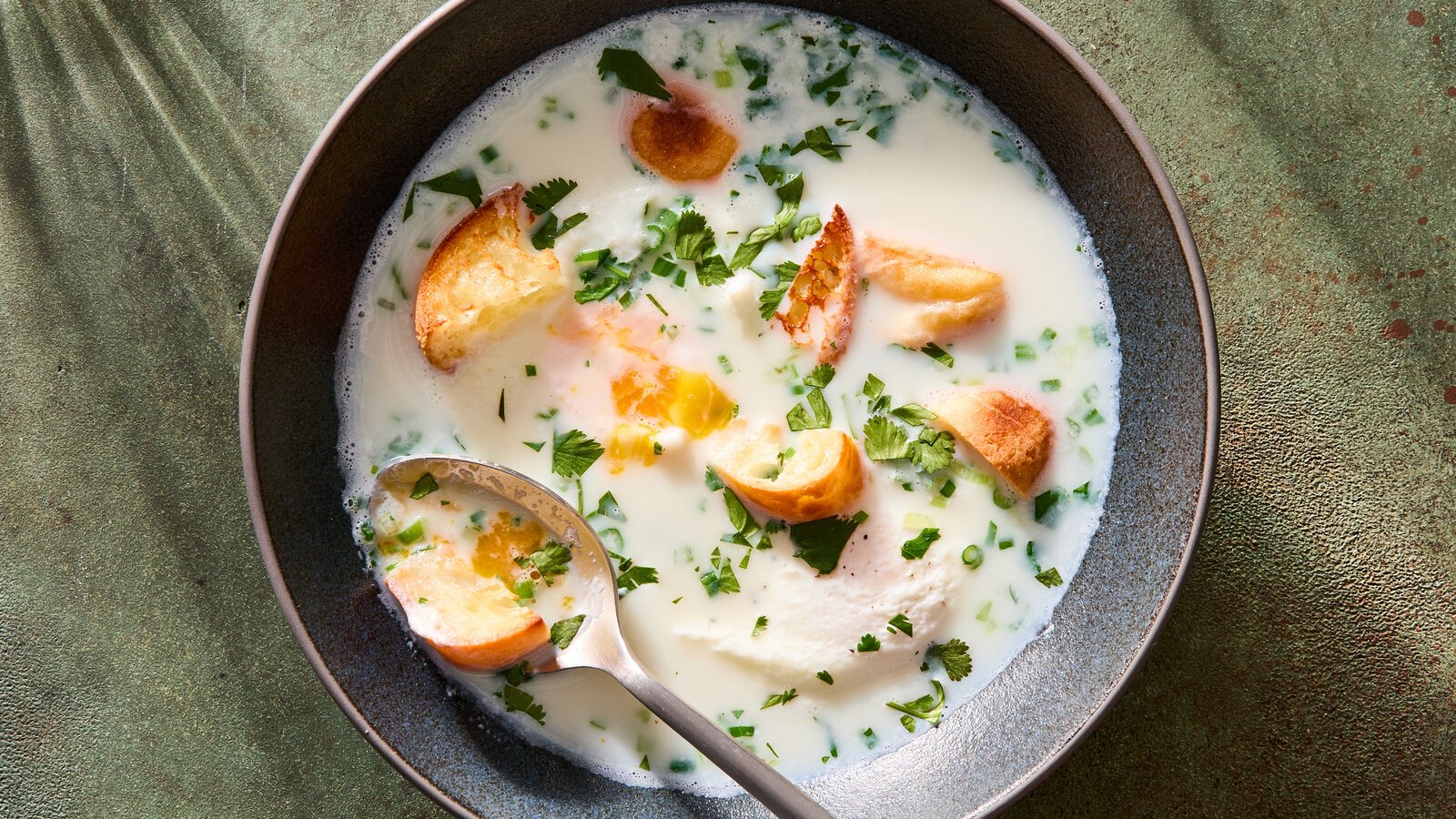
There’s something quietly magical about a bowl of changua. It’s not flashy. It’s not layered with ten different spices or drizzled with trendy toppings. It’s a warm, milky broth with a poached egg nestled inside, topped with fresh scallions and chunks of stale bread called calado — and yet, once you’ve had a proper bowl, you’ll understand exactly why people across the world are searching for the best changua near me.
This humble Colombian breakfast soup has been warming stomachs in the Andean highlands for centuries. It originated in the Boyacá and Cundinamarca regions of Colombia, where cold mountain mornings demanded something deeply nourishing. Today, as Colombian food culture spreads globally, changua is finding its way into restaurant menus, food trucks, and home kitchens far beyond South America.
Whether you’re Colombian by heritage and feeling a surge of nostalgia, or you’re simply a curious food lover who stumbled across this dish, this guide will help you understand what changua truly is, what makes a bowl exceptional, how to find the best changua near me, and why this soup deserves a permanent spot in your food repertoire.
What Exactly Is Changua? A Deep Dive into Colombia’s Beloved Breakfast Soup
Before you set out to find the best changua near me, it helps to know what you’re looking for. Changua is a traditional Colombian breakfast soup made from a base of milk and water, gently simmered together and seasoned simply with salt. Into this delicate broth, eggs are poached directly — absorbing the warm, creamy liquid as they cook. The final bowl is finished with chopped fresh scallions (called cebolla larga or green onions), fresh cilantro, and pieces of day-old bread that soften beautifully in the broth.
The result is a soup that’s simultaneously light and deeply satisfying. The milk gives it a gentle richness without being heavy. The egg adds protein and body. The bread soaks up the broth and becomes almost pudding-like in texture. And the scallions cut through the creaminess with a fresh, mild bite.
In Colombia, changua is eaten for breakfast — usually between 6 and 9 in the morning — and it is especially popular in Bogotá, Tunja, and other highland cities where temperatures dip low enough to make a warm, hearty start to the day feel essential rather than optional. Some Colombian families have been making the same version of this dish for generations, passing down small adjustments in ratios, herb choices, and bread types like treasured heirlooms.
The Cultural Weight of a Simple Bowl
Searching for the best changua near me is about more than just locating a restaurant. It’s about connecting with a food tradition that carries enormous emotional weight for millions of Colombians living both in their home country and in diaspora communities around the world.
For many Colombians, changua is the taste of childhood mornings. It’s what a grandmother made before school. It’s the smell of milk warming on the stove on a foggy Andean morning. When Colombian communities establish themselves in cities like New York, Miami, Chicago, Toronto, or London, changua often follows — first appearing in home kitchens, then in small family-run restaurants, and eventually on the menus of celebrated Colombian eateries.
This cultural resonance means that when a Colombian cook prepares changua with real care, it shows. The dish becomes something deeply personal. And that’s exactly why finding a truly excellent version of it — the best changua near me — can feel so meaningful.
What Separates Good Changua from Great Changua
Not all bowls of changua are created equal. Here’s what food lovers and Colombian culinary experts consistently say makes the difference between an ordinary version and the best changua near me you’ve ever tasted.
The Milk-to-Water Ratio Matters Enormously
The foundation of changua is its broth, and the balance of milk to water defines the entire character of the soup. Too much water and the broth feels thin and watery, lacking the gentle creaminess that makes changua special. Too much milk and the flavors can become cloying or too rich for a breakfast dish. The ideal ratio — typically somewhere around 60% milk to 40% water, though it varies by region and cook — creates a broth that’s silky, light, and beautifully comforting.
Full-fat whole milk is almost universally preferred by authentic cooks. It emulsifies more gracefully with the water and gives the finished broth a slightly golden, appealing appearance.
The Egg Must Be Perfectly Poached
In changua, the egg is not a garnish — it’s the centerpiece. When done correctly, the egg is poached directly in the simmering broth until the white is just set and the yolk remains soft and runny. When you break into it, the yolk should flow out into the soup, enriching the broth with an additional layer of savory richness. An overcooked egg turns rubbery and chalky. An undercooked one feels unpleasant and unsafe. The best changua near you will always feature an egg cooked with genuine attention and skill.
Fresh Herbs Are Non-Negotiable
Colombian cooking, especially in the highland traditions, relies heavily on fresh scallions and cilantro. These herbs bring brightness, color, and a fresh contrast to the warm, milky soup. Pre-packaged or dried herbs simply don’t deliver the same result. If a restaurant is cutting corners by using dried herb mixes in their changua, that’s a telling sign it may not be the best version in your area.
The Bread (Calado) Should Be Thoughtfully Prepared
Traditionally, changua is served with calado — stale white bread that has been briefly soaked or placed directly in the soup so it can absorb the broth. The bread should be dense enough to hold together but soft enough to have soaked up that warm, milky liquid. Some restaurants toast the bread lightly before adding it, which adds a subtle texture contrast. If a restaurant is simply tossing in fresh sandwich bread, the resulting experience is noticeably different and far less authentic.
How to Find the Best Changua Near Me: Practical Strategies
Now that you know what to look for in a great bowl, let’s talk about how to actually find the best changua near me in your city or neighborhood.
Start with Colombian Restaurants and Bakeries
Your best bet for finding authentic changua is at Colombian restaurants, particularly those specializing in breakfast or traditional home-style cooking. Search for terms like “Colombian breakfast restaurant,” “restaurante colombiano,” or “comida típica colombiana” along with your city name. Many Colombian eateries serve changua only during breakfast hours — typically from opening until around noon — so plan accordingly.
Colombian bakeries (panaderías colombianas) are also a wonderful place to look. Many serve light breakfast menus alongside their freshly baked breads, and changua is a natural fit given its traditional reliance on good bread.
Use Food Apps and Maps Thoughtfully
Apps like Google Maps, Yelp, and TripAdvisor can be helpful starting points when you’re looking for the best changua near me, but they require some navigation skills. Search specifically for “changua” rather than just “Colombian food” — this will surface restaurants where the dish is specifically called out, which often signals a genuine commitment to traditional Colombian breakfast cooking. Read reviews carefully, paying attention to whether reviewers mention the dish tasting homemade, reminiscent of Colombia, or particularly fresh and comforting.
Explore Colombian Community Hubs
In cities with established Colombian diaspora communities, certain neighborhoods tend to have higher concentrations of authentic Colombian food. In the United States, cities like Miami, New York, Chicago, Los Angeles, Houston, and Atlanta all have Colombian communities large enough to support multiple authentic restaurants. In the UK, London’s Elephant and Castle area has long been associated with a large Colombian community and excellent Colombian food options.
Visiting local Colombian cultural events, festivals, and community centers is also a great way to find word-of-mouth recommendations for where to get the best changua near me — because Colombian food lovers tend to know exactly where the real, unadulterated version of their favorite dishes can be found.
Ask Locals and Online Communities
Don’t underestimate the power of simply asking. Online communities on platforms like Reddit (subreddits focused on your city or on Colombian culture), Facebook groups for Colombians in your area, and food-focused forums are gold mines for honest, crowd-sourced recommendations. A simple post asking “Where can I find the best changua near me in [your city]?” often generates enthusiastic, detailed responses from people who genuinely care about the dish.
Changua Variations Worth Trying
Once you’ve found a great base version of the soup, it’s worth exploring some of the regional and creative variations that different restaurants and cooks bring to the table.
Changua con Huevo Tostado
Some cooks lightly fry or toast the egg instead of poaching it directly in the soup, resulting in a slightly firmer texture with crispy edges where it meets the broth. It’s a more rustic, textured interpretation that has its own devoted following.
Changua with Cheese
In some highland regions of Colombia, small cubes of fresh white cheese (queso blanco or cuajada) are added to the bowl alongside the egg. The cheese softens in the hot broth without fully melting, adding small pillowy pockets of mild, salty dairy flavor that complement the milk-based soup beautifully.
Modern or Contemporary Changua
Some contemporary Colombian chefs and restaurants are experimenting with elevated versions of changua — using heirloom grain breads, organic eggs with deeply orange yolks, herb-infused broths, or locally sourced artisanal cheeses. These modern interpretations can be genuinely exciting when done with respect for the dish’s roots. If you come across a restaurant putting a creative spin on the best changua near me, it’s worth trying with an open mind.
Pairing Changua: What to Eat and Drink Alongside It
Changua, as a breakfast soup, pairs naturally with other traditional Colombian morning staples. A cup of tinto — Colombian black coffee, often made from freshly ground single-origin Colombian beans — is the classic accompaniment. The gentle bitterness of the coffee balances the creamy richness of the soup perfectly.
Some restaurants serve changua alongside arepas (Colombian corn cakes), almojábanas (cheese bread rolls), or pandebono (cassava and cheese bread). These breads can be torn and dipped into the soup in addition to the traditional calado, creating a satisfying, complete breakfast experience.
If you’re visiting Colombia itself, the highland cities like Bogotá, Tunja, and Chiquinquirá are considered the heartland of changua culture, and local comedores (small informal eateries) often serve the most authentic, unassuming, and deeply satisfying versions of the soup you’ll encounter anywhere.
Why Changua Deserves More Global Recognition
The global food community has spent years celebrating Japanese ramen, Italian ribollita, Vietnamese pho, and French onion soup as paragons of the simple, nourishing broth-based meal. Changua absolutely belongs in that conversation. It is a masterclass in simplicity — a dish where the quality of a handful of humble ingredients is everything, and where technique and care transform those ingredients into something far greater than the sum of its parts.
As Colombian food continues gaining international recognition — with Colombian chefs earning Michelin stars, Colombian coffee becoming a global benchmark of quality, and Colombian cuisine appearing more frequently in conversations about the world’s great food traditions — changua is finding new audiences and admirers. And those admirers inevitably find themselves, at some point, searching for the best changua near me.
Making Changua at Home When You Can’t Find It Locally
If your local restaurant scene doesn’t yet have a great Colombian breakfast spot, you can absolutely make a satisfying bowl of changua at home. The ingredients are remarkably accessible: whole milk, water, eggs, fresh scallions, cilantro, salt, and day-old white bread. Combine the milk and water in a ratio of roughly 2:1, bring gently to a simmer, season with salt, crack in your eggs, poach until just set, and finish with the fresh herbs and torn bread. For a deeper dive into traditional technique, resources like the Colombian food blog My Colombian Recipes offer excellent, authentic step-by-step guidance from cooks with genuine cultural connection to the dish.
Home cooking, though, is no replacement for the experience of a lovingly prepared bowl at a good restaurant — especially when it carries the warmth of a cook who grew up eating changua on cold Bogotá mornings. That’s why the search for the best changua near me is always worth pursuing.
Conclusion
Changua is one of those dishes that rewards the people who seek it out. It’s not glamorous, and it doesn’t try to be. It is warm, nourishing, honest, and deeply rooted in a culinary tradition built on care and simplicity. Whether you’re rediscovering a taste from childhood, trying it for the first time, or simply looking for something different and deeply satisfying for breakfast, finding the best changua near me is a search worth pursuing with enthusiasm.
Start with Colombian restaurants in your area, dig into local food communities for trusted recommendations, and pay attention to the details — the quality of the milk broth, the care taken with the egg, the freshness of the herbs. Those details are what separate a forgettable bowl from one that makes you close your eyes, exhale slowly, and understand exactly why this soup has endured for centuries in the Colombian highlands.
Go find your bowl. You won’t regret it.
Frequently Asked Questions
Q1: What is changua made of?
Changua is a traditional Colombian breakfast soup made from a mixture of milk and water, in which eggs are poached directly. It is seasoned with salt and topped with fresh scallions, cilantro, and pieces of day-old bread called calado.
Q2: Is changua only served for breakfast?
Yes, changua is traditionally a breakfast dish in Colombia, typically served in the morning hours. Most Colombian restaurants that offer it stop serving it by midday, so it’s best to visit early.
Q3: Where can I find the best changua near me?
Look for Colombian restaurants, Colombian bakeries (panaderías), and communities with a large Colombian diaspora in your city. Food apps like Google Maps and Yelp can help — search specifically for “changua” rather than just “Colombian food” for the most accurate results.
Q4: Is changua healthy?
Changua is a relatively nutritious breakfast option. It provides protein from the egg, calcium and fat from the milk, and carbohydrates from the bread. It is not overly heavy and is generally considered a balanced, wholesome morning meal by Colombian dietary standards.
Q5: Can I make changua at home if I can’t find it at a restaurant?
Absolutely. Changua requires only a few easily available ingredients — whole milk, water, eggs, fresh scallions, cilantro, salt, and day-old bread. It comes together in about 15 minutes and is an excellent weekend breakfast option for anyone who enjoys simple, comforting soups.

Ryan Beck is an experienced SEO strategist and blogging expert with over 20+ years of hands-on experience in digital marketing. He has built a strong reputation for helping businesses grow their online presence through data-driven SEO strategies, high-quality content creation, and audience-focused blogging.