best ensalada de arvejas y jamon near me: The Ultimate Guide to This Classic Spanish Pea and Ham Salad
Introduction: Why Ensalada de Arvejas y Jamón Deserves a Spot on Your Table
There are certain dishes that feel like a warm hug on a plate, and ensalada de arvejas y jamón is absolutely one of them. This beloved pea and ham salad has graced family tables across Spain, Argentina, Colombia, Peru, and countless other Spanish-speaking countries for generations. It is creamy, satisfying, and deceptively simple — the kind of recipe that looks humble on paper but delivers incredible flavor in every spoonful.
Whether you are trying to recreate your grandmother’s version, searching for a reliable side dish for your next gathering, or simply curious about this dish after spotting it on a local restaurant menu, you have come to the right place. In this guide, we will walk through everything you need to know about ensalada de arvejas y jamón — its history, the best ways to prepare it, regional variations, tips for serving, and even where to find this dish near you.
What Exactly Is Ensalada de Arvejas y Jamón?
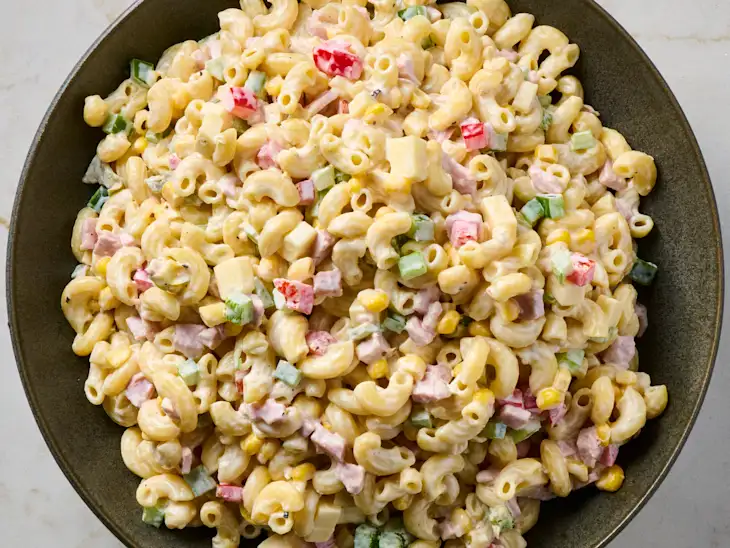
At its core, ensalada de arvejas y jamón is a cold salad made primarily from cooked green peas (arvejas) and diced ham (jamón), bound together with mayonnaise and often enriched with hard-boiled eggs, carrots, and onions. Think of it as the Spanish-language world’s answer to a potato salad — hearty, creamy, and deeply comforting.
The word “arveja” refers to the green pea in most Spanish-speaking countries, though you may also hear it called “guisante” in Spain or “chícharo” in Mexico. Regardless of what locals call the pea, the dish itself remains remarkably consistent: tender legumes folded into a silky dressing with salty, smoky ham adding depth at every bite.
This ensalada de arvejas y jamón bridges the gap between a light side salad and a filling meal on its own. Served chilled, it pairs beautifully with grilled meats, roasted chicken, empanadas, rice dishes, and crusty bread.
A Brief History: How This Salad Became a Beloved Classic
The roots of ensalada de arvejas y jamón trace back to European culinary traditions that traveled to Latin America during the colonial era. Green peas were widely cultivated in Spain and were considered a prized vegetable — something worth celebrating in a dish, not merely throwing into a soup.
Ham, or jamón, has always held a place of honor in Spanish cooking. From the dry-cured jamón serrano to the more accessible cooked hams used in everyday cooking, pork products defined the Spanish pantry for centuries. When these ingredients crossed the Atlantic, they found fertile ground in new kitchens that blended indigenous ingredients with European technique.
Over time, mayonnaise — which became wildly popular across Latin America in the 20th century — replaced or supplemented oil-and-vinegar dressings, turning this salad into the creamy, rich preparation most people recognize today. The ensalada de arvejas y jamón as we know it is therefore both a product of Old World heritage and New World adaptation.
The Classic Ensalada de Arvejas y Jamón Recipe
Choosing Your Ingredients
The quality of your ingredients matters enormously with this dish. Because the recipe is so simple, there is nowhere to hide a subpar ingredient. Here is what to look for:
Arvejas (Green Peas): Fresh peas are wonderful when in season, offering a natural sweetness that is hard to beat. However, frozen peas are an excellent everyday substitute — they are picked and frozen at peak ripeness, which means they often taste better than out-of-season fresh ones. Canned peas can work in a pinch, though they tend to be softer and less vibrant. Drain and rinse them well before using.
Jamón (Ham): A good cooked ham — sliced thick enough to dice into small cubes — is the standard choice. In Argentina, “jamón cocido” is the go-to. In Colombia, you will find similar versions using deli ham or smoked ham. For a more elevated preparation, try using Spanish serrano ham or even a smoky American-style country ham for a bolder flavor profile.
Mayonnaise: Full-fat, good-quality mayonnaise is non-negotiable here. Many Latin American cooks swear by Hellmann’s or its regional equivalent. Some add a small dollop of Dijon mustard or a squeeze of lemon juice to brighten the dressing.
Extras: Hard-boiled eggs are almost always included, adding richness and protein. Finely diced carrots contribute a subtle sweetness and a pleasing pop of color. Some versions include diced potatoes for extra substance, bringing the dish even closer to a full meal.
How to Prepare It
Start by cooking your peas until just tender — about two to three minutes in boiling salted water for frozen peas, or slightly longer for fresh. Immediately transfer them to ice water to stop the cooking and preserve their brilliant green color. This step is small but makes a noticeable difference in the final appearance of your ensalada de arvejas y jamón.
Hard-boil your eggs, cool them completely, and dice them into rough chunks rather than perfect cubes — this gives the salad a more rustic, homemade quality. Dice your ham into small, even pieces. If you are including carrots, dice and cook them briefly in the same boiling water until just tender but still with some bite.
Combine everything in a large bowl, season generously with salt and white pepper, and fold in your mayonnaise. Start with less than you think you need — you can always add more, but you cannot take it away. Taste, adjust seasoning, and refrigerate for at least one hour before serving. Cold temperature brings the flavors together beautifully and gives the mayonnaise time to work its magic.
Regional Variations Worth Exploring
One of the most fascinating things about ensalada de arvejas y jamón is how it transforms as you travel through different countries and kitchens.
Argentine Style: In Argentina, this salad is a staple of asado spreads and family Sunday lunches. The Argentine version tends to be simple and unfussy — peas, ham, hard-boiled eggs, mayo, and not much else. It is about quality ingredients and confident seasoning.
Colombian Style: Colombian cooks often add diced potatoes, making the salad heartier and more substantial. Some versions include pickled vegetables or a touch of mustard for tang. This version of ensalada de arvejas y jamón is commonly served at birthday parties and holiday gatherings.
Peruvian Style: Peru has a strong tradition of cold salads influenced by both Spanish and Japanese culinary cultures. The Peruvian take on this dish sometimes includes aji amarillo paste, olives, or avocado — adding layers of flavor that feel distinctly local.
Spanish Style: Back in the motherland, a similar preparation called “ensaladilla de jamón y guisantes” appears frequently in tapas bars. The Spanish version is often presented in small glasses or as part of a larger spread of cold tapas, and it may include tuna alongside or instead of ham.
No matter which version you encounter, the spirit of ensalada de arvejas y jamón remains the same: it is a generous, crowd-pleasing dish made to be shared.
Nutritional Benefits: More Than Just Comfort Food
Beyond its wonderful flavor, ensalada de arvejas y jamón offers genuine nutritional value. Green peas are a surprisingly rich source of plant-based protein, fiber, vitamins C and K, and folate. According to Healthline, green peas are among the most nutritious legumes available, supporting digestive health, blood sugar control, and immune function.
Ham contributes protein and B vitamins, though it does add sodium, so those watching their salt intake may want to choose a lower-sodium variety or reduce the quantity. Hard-boiled eggs add healthy fats and additional protein. The mayonnaise, while calorie-dense, provides creaminess and fat-soluble vitamins when consumed in reasonable amounts.
This makes ensalada de arvejas y jamón a balanced dish when eaten as part of a varied diet — especially when served alongside vegetables, grains, or lean proteins.
Tips for Making the Best Version at Home
Getting your ensalada de arvejas y jamón just right is about attention to detail rather than complicated technique. A few tips that separate a good version from a great one:
Do not overcook the peas. Mushy peas will turn your salad into an unappetizing mess. Aim for tender but with a slight bite, and always cool them rapidly in ice water.
Season at every stage. Add a pinch of salt to your boiling water, season your vegetables while they are still warm so they absorb the flavor, and taste the finished salad before refrigerating.
Let it rest. This salad genuinely improves with time. Making it the night before a party is not just convenient — it results in a noticeably better dish.
Use cold ingredients. If your peas, eggs, and ham are all at room temperature when you mix everything together, the final salad will feel warm and oddly unappetizing. Make sure everything is properly chilled before combining.
Garnish with intention. A few whole peas reserved for topping, a sprinkle of paprika, or a few slices of egg arranged on top transforms the visual presentation of ensalada de arvejas y jamón from rustic to restaurant-worthy.
How to Find Ensalada de Arvejas y Jamón Near You
If you are not in the mood to cook, or you simply want to try an authentic version before recreating it at home, there are several reliable ways to find ensalada de arvejas y jamón near you.
Look for Latin American restaurants in your area — particularly Argentine, Colombian, or Spanish establishments. This dish tends to appear as a side salad or appetizer, especially at family-style restaurants that specialize in traditional home cooking. Search terms like “comida argentina cerca de mí,” “restaurante colombiano,” or “tapas bar” are good starting points depending on your location.
Latin American grocery stores and delis are another excellent option. Many carry premade ensalada de arvejas y jamón in their refrigerated sections, especially around weekends when demand for traditional foods increases. Spanish-style delis and imported food markets sometimes carry prepared versions as well.
Online delivery platforms like Uber Eats, DoorDash, and Rappi (in Latin American countries) have made it easier than ever to find this dish delivered right to your door. Simply type the dish name into the search bar and filter by proximity to find available options.
For the very best experience, though, nothing beats homemade. Once you understand the dish and its simple logic, you will find yourself making it on repeat — for potlucks, summer barbecues, holiday dinners, and any occasion that calls for something satisfying and deeply delicious.
Pairing Suggestions: What to Serve Alongside
Ensalada de arvejas y jamón plays well with a wide range of other dishes. As a side dish, it pairs beautifully with grilled steak, roasted chicken, or slow-cooked pork. It works wonderfully alongside other traditional cold salads — perhaps a Russian-style potato salad or a simple tomato and onion salad — as part of a larger spread.
For a lighter meal, serve a generous scoop of ensalada de arvejas y jamón over crisp lettuce leaves with some crusty sourdough bread on the side. A glass of chilled Albariño or a light Malbec pairs wonderfully if you are in a wine-drinking mood.
As part of a tapas-style spread, this salad shines alongside croquetas, tortilla española, marinated olives, and sliced cured meats. It brings balance to heavier fried dishes and keeps the table feeling abundant and celebratory.
Conclusion: Celebrating a Timeless Classic
There is a reason ensalada de arvejas y jamón has endured across generations and continents. It is unpretentious, adaptable, deeply satisfying, and made from ingredients that nearly everyone can access and afford. Whether you discover it at a neighborhood Argentine grill, stumble upon it at a Colombian family party, or decide to make it yourself on a Sunday afternoon, this salad has a way of becoming a fixture in your culinary repertoire.
The beauty of ensalada de arvejas y jamón lies in its simplicity — a handful of humble ingredients transformed by good technique and a generous hand with seasoning into something that tastes like home, tradition, and celebration all at once. Try it once, and you will understand exactly why it has remained a beloved classic for so long.
Frequently Asked Questions (FAQs)
Q1: Can I make ensalada de arvejas y jamón ahead of time?
Absolutely — in fact, it is encouraged. This salad improves significantly when made at least a few hours in advance, as the flavors meld together and the dressing permeates the peas and vegetables. You can prepare it up to 24 hours ahead and store it covered in the refrigerator. Just give it a gentle stir before serving and taste for seasoning, as chilled foods sometimes need a touch more salt.
Q2: Can I substitute the mayonnaise in ensalada de arvejas y jamón for a lighter option?
Yes. Many cooks substitute part or all of the mayonnaise with Greek yogurt for a tangier, lighter version. A mixture of half yogurt and half mayo is a popular middle ground that maintains creaminess while reducing calories. You can also use avocado-based mayonnaise for a richer flavor with healthier fats.
Q3: Is ensalada de arvejas y jamón served warm or cold?
This dish is always served cold or at room temperature after chilling. Serving it cold is important both for food safety (mayonnaise-based salads should not sit at room temperature for extended periods) and for flavor — the cold temperature helps the dressing hold together and makes the salad far more refreshing and palatable.
Q4: What type of ham works best in this recipe?
Cooked deli ham (jamón cocido) is the most traditional and accessible choice. It has a mild, salty flavor that complements the sweetness of the peas without overwhelming the dish. For a more complex flavor, Spanish jamón serrano or smoked ham are excellent upgrades. Avoid overly processed, heavily seasoned, or honey-glazed hams, as their sweetness can throw off the balance of the salad.
Q5: What can I add to ensalada de arvejas y jamón to make it more filling?
The most common additions for a heartier version include diced cooked potatoes, canned tuna, or additional hard-boiled eggs. Some cooks also add chickpeas for extra protein and texture, or fold in a small amount of diced roasted red peppers for sweetness and color. All of these additions integrate naturally into the existing flavor profile without changing the character of the dish.
best callos a la madrilena near me

Ryan Beck is an experienced SEO strategist and blogging expert with over 20+ years of hands-on experience in digital marketing. He has built a strong reputation for helping businesses grow their online presence through data-driven SEO strategies, high-quality content creation, and audience-focused blogging.