Guiso de Mondongo: The Bold Latin Tripe Stew + Best Restaurants in the UK & US
Introduction: Why Everyone Is Searching for Guiso de Mondongo Near Them
Some dishes divide opinion before they even reach the table. Guiso de mondongo is one of them. Mention it to someone who grew up in Colombia, Venezuela, Puerto Rico, or the Dominican Republic, and watch their eyes light up with nostalgia. Mention it to someone who has never tried it, and you might see a flicker of hesitation. But here is the truth that every devoted fan already knows: once you have had a properly made guiso de mondongo — slow-cooked, deeply spiced, aromatic, and rich — there is no going back.
This is a dish that earns its devoted following through sheer, unapologetic flavor. It does not rely on expensive ingredients or complicated techniques. It relies on patience, tradition, and a cook who understands that great food is rarely about shortcuts. As Latin American cuisine has surged in global popularity, the search for the best guiso de mondongo near you in London, New York, Miami, Los Angeles, and Chicago has grown right alongside it.
This guide is your complete resource. We will cover what guiso de mondongo is, where it comes from, what makes an authentic version great, and — most importantly — exactly which restaurants in the UK and US are serving it with the care and authenticity it deserves.
What Is Guiso de Mondongo?
Guiso de Mondongo is a traditional Latin American stew made from mondongo — the Spanish word for tripe, which is the cleaned and prepared stomach lining of beef (and sometimes pork). The word “guiso” simply means stew or braise, describing the slow-cooking method at the heart of the dish.
While mondongo stews appear across Central and South America, the Caribbean, and the Hispanic communities of the United States, guiso de mondongo in its most celebrated form is most closely associated with Colombian and Venezuelan cooking. In Colombia, it is often called simply “mondongo” and is considered one of the country’s most iconic comfort foods. In Venezuela, it carries a similarly central place in the national culinary identity.
The dish is built on a foundation of slow-cooked tripe that has been thoroughly cleaned, blanched, and simmered for hours until it reaches a tender, almost silky texture. This process is non-negotiable — improperly prepared tripe can be unpleasant, but mondongo that has been given the time and care it deserves transforms into something genuinely beautiful. The tripe absorbs the surrounding broth, taking on the complex flavors of the sofrito base, the tomatoes, the potatoes, the corn, and the aromatic spices that give guiso de mondongo its soul.
The History and Cultural Roots of Guiso de Mondongo
To understand why guiso de mondongo occupies such a beloved place in Latin American culture, you need to understand a bit of history. Tripe dishes are, broadly speaking, the food of necessity turned into something extraordinary — they originated in communities where every part of the animal was used, and where the challenge of transforming a tough, unfamiliar cut into a nourishing meal became an art form in itself.
In Colombia, mondongo has been eaten since colonial times and traces elements back to indigenous, Spanish, and African culinary traditions. The African influence is particularly significant — enslaved people brought to the Americas developed sophisticated techniques for slow-cooking tougher cuts of meat into dishes of extraordinary complexity and depth. What began as survival food evolved over generations into something deeply cherished, passed down through families as an expression of identity and love.
In the Antioquia region of Colombia — home to the city of Medellín — mondongo is practically a regional emblem. It appears on Sunday lunch tables, in neighborhood fondas and restaurants, and at family gatherings where the aroma of a pot of mondongo simmering since early morning signals that something good is coming. Colombians in diaspora communities around the world — including in London, New York, Miami, and Los Angeles — carry this tradition with them, and the best Colombian restaurants in these cities keep it alive with the respect it deserves.
Venezuela has its own rich mondongo tradition as well, with regional variations that incorporate local ingredients, additional vegetables, and slight differences in seasoning. Across both traditions, the constants remain: patience in the kitchen, generosity of spirit, and a commitment to honoring the ingredients rather than rushing past them.
The Key Ingredients That Define Great Guiso de Mondongo
Understanding what goes into a well-made guiso de mondongo helps you recognize authentic quality when you find it — and helps you appreciate the skill behind a bowl that might look deceptively simple.
Mondongo (Tripe): The foundation and the star. Beef tripe is the most common choice, though some preparations incorporate pork tripe or a combination. The tripe must be thoroughly cleaned, blanched, and then slow-cooked for anywhere from one to three hours until it reaches that characteristic tender-yet-slightly-chewy texture that mondongo lovers crave. There is no rushing this step — the quality of the final dish depends entirely on the preparation of the tripe.
Sofrito: The aromatic base. Colombian and Venezuelan guiso de mondongo both begin with a sofrito of onion, garlic, tomatoes, and sweet peppers, cooked down slowly in oil until fragrant and thick. In Colombia, hogao — a specific style of cooked tomato and onion sauce — is the traditional base, giving the broth a characteristic sweetness and depth. Cumin, coriander, and sometimes sazón seasoning round out the spice profile.
Potatoes and Yuca (Cassava): Root vegetables add body and starch to the stew, absorbing the broth and contributing to the thick, hearty texture that makes a bowl of guiso de mondongo so deeply satisfying. Papa criolla — the small, yellow Colombian potato — is traditional and prized for its buttery flavor.
Corn on the Cob: Large rounds of corn are added to the pot, their natural sweetness providing a counterpoint to the savory, earthy flavors of the tripe and broth.
Chickpeas or Beans (Regional): Some preparations include chickpeas or white beans, adding protein and a creamy texture to the broth that makes the dish even more filling.
Fresh Herbs: Cilantro is the finishing herb of choice in both Colombian and Venezuelan cooking, scattered generously over the bowl just before serving. Its bright, clean flavor lifts the entire dish and is considered essential rather than optional.
Lime and Avocado: Served alongside rather than in the bowl, a squeeze of fresh lime juice and slices of ripe avocado are the traditional accompaniments. The acidity of the lime cuts through the richness of the stew, while the avocado adds a creamy counterbalance.
How Authentic Guiso de Mondongo Is Prepared
The preparation of authentic guiso de mondongo is a lesson in the virtue of patience. It begins hours before the first spoonful reaches the table. The tripe is cleaned — rinsed thoroughly, rubbed with lime or vinegar to neutralize any odor — then blanched in boiling water. This initial step is critical. A cook who skips or shortcuts the cleaning and blanching process produces a dish that will never reach its potential.
Once blanched and drained, the tripe is cut into bite-sized pieces and set into a fresh pot with enough water or light broth to cover it generously. From here, the long simmer begins — a process of an hour or more at minimum, during which the tripe slowly tenderizes and the collagen-rich tissue begins to break down, releasing a natural gelatin into the broth that gives it body and depth.
Meanwhile, the sofrito is built separately. Onion and garlic are softened in oil, then joined by finely chopped tomatoes and sweet pepper. Cumin is added to the hot oil to bloom, releasing its earthy fragrance. The hogao — that beautiful Colombian tomato sauce — slowly caramelizes and darkens. This sofrito is then added to the simmering tripe pot, transforming the cooking liquid into something aromatic and rich.
Potatoes, yuca, and corn go in partway through cooking, timed so they become tender without falling apart. Everything simmers together until unified — the tripe fully tender, the vegetables cooked through, the broth thick and deeply flavored. A final shower of fresh cilantro, and guiso de mondongo is ready.
The best versions are made in large pots, in quantities that cannot be rushed, by cooks who have made this dish dozens or hundreds of times. That experience shows in the final bowl.
Best Restaurants for Guiso de Mondongo in the United Kingdom
London is home to a growing and vibrant Latin American food scene, with Colombian and Venezuelan communities that have brought their culinary traditions with them. While guiso de mondongo specifically may not appear on every menu, the Colombian and Venezuelan restaurants below represent the most authentic expressions of this culinary tradition in the UK — and the ones most likely to offer mondongo as a rotating special or upon request.
El Rancho De Lalo — Brixton Hill, London ⭐ 4.7
Address: 1 Buckner Rd, Brixton Hill, London SW2 5BY
Phone: +44 7759 226156
Hours: Mon–Thu 12–7 PM | Fri–Sat 9 AM–10 PM | Sun 10 AM–5 PM
El Rancho de Lalo is widely considered the finest Colombian restaurant in London, and its reputation has been hard-earned over years of serving genuinely authentic comida colombiana to a devoted community of regulars. Run by Lalo and his team with obvious passion and pride, the restaurant feels like stepping into a Colombian family home — warm, generous, and full of flavor. The bandeja paisa here is legendary, the empanadas are described by reviewers as the best in London, and the rotating soups and stews are where guiso de mondongo naturally appears. One long-time customer wrote that El Rancho de Lalo “just keeps getting better, like good wine.” Call ahead to ask about traditional stews — this is exactly the kitchen that makes mondongo with the respect it deserves.
Donde Carlos — Shepherd’s Bush, London ⭐ 4.6
Address: 143 Goldhawk Rd, London W12 8EN
Phone: +44 20 8749 9575
Hours: Mon–Thu 11 AM–8 PM | Fri–Sat 11 AM–9 PM | Sun 11 AM–7 PM
Donde Carlos on Goldhawk Road is a Colombian gem in West London that consistently wins over diners with its authentic flavors and warm, family atmosphere. Reviewers describe it as feeling “like you’re stepping right into a family home,” which is exactly the kind of environment where traditional Colombian cooking — including guiso de mondongo — thrives. The calentado, bistec a caballo, and traditional stews all draw praise for their authenticity. With knowledgeable and friendly staff, this is an excellent place to ask about traditional rotating specials including mondongo.
Leños & Carbon — Elephant and Castle, London ⭐ 4.4
Address: 113c Elephant Rd, Elephant and Castle, London SE17 1LB
Phone: +44 20 7407 8865
Hours: Tue–Thu 12–11 PM | Fri–Sat 12 PM–12 AM | Sun 12–11 PM
Leños & Carbon in Elephant and Castle is a lively and beloved Colombian restaurant serving a broad menu of grilled meats, traditional stews, and classic Colombian dishes. With an authentic Latin American atmosphere and a loyal following, the kitchen is deeply rooted in Colombian culinary tradition. The arroz con leche, jugo de lulo, and the generously portioned mains all draw consistent praise. As a Colombian restaurant that takes its comida criolla heritage seriously, Leños & Carbon is a natural destination for mondongo lovers in South London.
Conuco Venezuelan Kitchen — Brixton, London ⭐ 4.9
Address: 14 Brixton Rd, London SW9 6BU
Phone: +44 7960 128050
Hours: Tue–Thu 11 AM–9 PM | Fri–Sat 11 AM–10 PM | Sun 11 AM–7 PM
Conuco Venezuelan Kitchen in Brixton is one of London’s most celebrated authentic Venezuelan restaurants, earning a 4.9 rating from over 550 reviewers. Described as “a small slice of Venezuela in London,” the restaurant serves food that feels genuinely homemade and emotionally resonant. The tres leches cake is called one of the best desserts in the city, the cachapas are outstanding, and the kitchen’s deep connection to Venezuelan culinary tradition means traditional stews like guiso de mondongo appear as part of a rotating repertoire of comida casera. The staff are warm and welcoming, and the chicha rice milk is a must.
Paladar — London Bridge, London ⭐ 4.7
Address: 4–5 London Rd, London SE1 6JZ
Phone: +44 20 7186 5555
Hours: Wed–Thu 12–2:45 PM & 4:45–8:45 PM | Fri 12–2:45 PM & 4:45–9:45 PM | Sat 12–9:45 PM | Sun 12–8 PM
Paladar near London Bridge is one of the capital’s most acclaimed Latin American restaurants, offering a menu that spans the entire continent with creativity and respect. The rotating seasonal menu, beautiful presentation, and excellent cocktail program make it a special occasion destination, and the kitchen’s knowledge of traditional Latin American cooking is evident in every dish. For guiso de mondongo, ask about traditional Colombian or Venezuelan preparations on the day — Paladar’s team is knowledgeable and enthusiastic about helping guests explore the full breadth of the cuisine.
DistriAndina — Elephant and Castle, London ⭐ 4.3
Address: 6 Elephant Rd, London SE17 1LB
Phone: +44 7399 077585
Hours: Mon–Sat 7 AM–9 PM | Sun 8 AM–8 PM
DistriAndina is a Colombian supermarket and food counter in Elephant and Castle that serves as a cultural hub for London’s Colombian community. The hot chocolate, pandebonos, and freshly made Colombian baked goods are extraordinary, and the food counter — when open — serves traditional Colombian dishes including soups and stews in the home-cooking tradition. This is the kind of place where guiso de mondongo appears naturally, made by cooks who eat it themselves.
Best Restaurants for Guiso de Mondongo in the United States
The United States has a large and deeply established Colombian and Venezuelan diaspora, especially in New York, Miami, Los Angeles, and Chicago. These communities have built a restaurant scene where authentic guiso de mondongo is not a rarity — it is a staple. Here are the best places to find it.
New York City
Paraíso Colombiano — Corona, Queens ⭐ 4.7
Address: 106-20 Corona Ave., Corona, NY 11368
Phone: +1 718-699-5054
Hours: Mon–Thu 10 AM–10 PM | Fri 10 AM–12 AM | Sat 10 AM–1 AM | Sun 10 AM–11 PM
Paraíso Colombiano in Corona, Queens is a beloved institution in one of New York’s most vibrant Colombian neighborhoods. With over 2,000 reviews and a 4.7 rating, this restaurant earns its reputation through authentic Colombian cooking that consistently transports diners straight back to Colombia. The bandeja típica draws raves, the drinks are described as “incredible,” and the rotating daily specials always include traditional soups and stews — making this one of the best places in New York to find guiso de mondongo made the right way. The friendly and attentive staff make every visit feel like a warm welcome home.
Cositas Ricas — Jackson Heights, Queens ⭐ 4.3
Address: 79-19 Roosevelt Ave, Jackson Heights, NY 11372
Phone: +1 718-478-1500
Hours: Mon–Thu & Sun 7/8 AM–12 AM | Fri–Sat 7 AM–1 AM
Cositas Ricas on Roosevelt Avenue in Jackson Heights sits at the heart of one of the most culturally rich Latin American neighborhoods in all of New York City. This Colombian restaurant has been a neighborhood institution for years, drawing a loyal local following for its fast, consistent, and genuinely flavorful Colombian cooking. Reviewers describe it as a place where “everything on the menu is delicious” and the kitchen is praised for its freshness and consistency. Traditional Colombian soups and stews — including guiso de mondongo as a daily special — are a natural part of the rotating menu here.
El Recuerdo — Flushing, Queens ⭐ 4.4
Address: 146-05 34th Ave, Flushing, NY 11354
Phone: +1 718-359-1370
Hours: Mon–Fri 6 AM–7 PM | Sat 6 AM–8 PM | Sun 6 AM–8 PM
El Recuerdo in Flushing is a hidden gem of a Colombian restaurant with a deeply neighborhood feel and cooking that reviewers consistently describe as “homemade” and seasoned with “delightful” flavors. The natural fruit juices, traditional soups, and generous portions make it a favorite for locals who know it well. One reviewer called it her “go-to spot for Colombian cuisine” specifically for the quality of the stews and the authentic seasoning. This is exactly the kind of small, unpretentious Colombian restaurant where guiso de mondongo appears on the menu not as a special event but as simply what they cook.
Miami
Mondongo’s Restaurante — Doral, Miami ⭐ 4.5
Address: 3500 NW 87th Ave, Doral, FL 33172
Phone: +1 305-718-4977
Hours: Mon–Thu 11:30 AM–8 PM | Fri–Sat 11:30 AM–9 PM | Sun 11:30 AM–8 PM
Mondongo’s Restaurante in Doral is — as its name makes absolutely clear — one of the most dedicated Colombian mondongo restaurants in the United States. This is not a restaurant where guiso de mondongo appears occasionally as a special. It is the restaurant’s identity, its calling card, and its claim to fame. With nearly 5,500 reviews and a 4.5 rating, this family-friendly Colombian institution has earned the respect of Colombian diners across Miami, many of whom say the food “always reminds us of home.” One reviewer who has been eating there for more than six years noted that “the recipe is still the same” — the highest compliment you can pay a restaurant serving traditional comfort food. The mondongo, bandeja paisa, and steaks all draw consistent raves. This is your definitive destination for guiso de mondongo in South Florida.
Mondongo’s Express — Miami ⭐ 4.3
Address: 2156 NW 7th Ave, Miami, FL 33127
Phone: +1 305-858-2770
Hours: Mon–Sun 11 AM–6 PM
For a quick, no-frills fix of guiso de mondongo in Miami, Mondongo’s Express offers takeout and delivery of the same beloved Colombian comfort food in a convenient format. Reviewers describe it as “simply the best” and “the most delicious Colombian food in Miami.” It is a smaller, more casual operation than its Doral counterpart, but the dedication to authentic Colombian flavors is equally evident. Perfect for lunch or an early dinner pickup when the craving strikes.
Los Angeles
La Fonda Antioqueña — East Hollywood, Los Angeles ⭐ 4.2
Address: 5125 Melrose Ave, Los Angeles, CA 90038
Phone: +1 323-957-5164
Hours: Mon–Sun 10 AM–7 PM
La Fonda Antioqueña on Melrose Avenue brings the specific culinary traditions of Colombia’s Antioquia region — where mondongo is practically a cultural institution — to East Hollywood. The name itself tells you what to expect: a fonda is a traditional Colombian roadside or neighborhood eatery, the kind of place where the food is rooted in regional tradition rather than adapted for outside audiences. The kitchen serves traditional Colombian dishes including soups and stews, and for guiso de mondongo lovers, this is the most culturally appropriate and regionally specific destination in Los Angeles. Call ahead to ask about traditional rotating specials.
Macondo Kitchen — Van Nuys, Los Angeles ⭐ 4.5
Address: 15333 Sherman Way, Suite W, Van Nuys, CA 91406
Phone: +1 818-285-8683
Hours: Mon–Thu 9 AM–8 PM | Fri–Sat 9 AM–9 PM | Sun 9 AM–8 PM
Macondo Kitchen — named after the fictional town in Gabriel García Márquez’s beloved novel — is a charming and authentic Colombian restaurant in Van Nuys with a warm family atmosphere and food that earns consistent praise for its authenticity. Reviewers with Colombian heritage describe it as capturing “the best Colombian food” and evoking memories of grandparents’ cooking. The staff are welcoming and happy to guide newcomers through the menu. Traditional stews and soups, including guiso de mondongo as a rotating daily special, are central to the kitchen’s comida colombiana repertoire.
Vivi’s La Sucursal — Panorama City, Los Angeles ⭐ 4.5
Address: 8155 Van Nuys Blvd, Suite 114, Panorama City, CA 91402
Phone: +1 818-462-6951
Hours: Mon–Wed & Sun 9 AM–8 PM | Thu–Sat 9 AM–10 PM
Vivi’s La Sucursal is a passion project that has grown into one of the most beloved Colombian restaurants in the San Fernando Valley. Run by Vivi and her team with “warm smiles and genuine care,” the restaurant is described by devoted regulars as producing food that “tastes homemade, full of flavor, and made with love.” The bandeja paisa, empanadas, and rotating lunch specials all draw consistent raves. At just $15 for a full lunch special, this is exceptional value for authentic Colombian cooking — and a natural home for guiso de mondongo on the daily specials board.
Chicago
ArePA George Cantina — Logan Square, Chicago ⭐ 4.5
Address: 3329 W Armitage Ave, Chicago, IL 60647
Phone: +1 773-746-4315
Hours: Tue–Thu 5–10 PM | Fri 5 PM–12 AM | Sat 12 PM–2 AM | Sun 12–8 PM
ArePA George Cantina in Logan Square is one of Chicago’s most charming and authentic Colombian restaurants, earning fans for its great food, attentive service, and genuinely warm atmosphere. The chicharrón sauces are described as “amazing,” the cassava fries are a must, and the desserts — particularly the nutella flan — have developed a devoted following. With a menu that celebrates Colombian tradition while maintaining a lively, neighborhood energy, this is a restaurant where guiso de mondongo appears naturally among the rotating comida criolla offerings.
Mekato’s Colombian Bakery — Lincoln Square, Chicago ⭐ 4.2
Address: 5423 N Lincoln Ave, Chicago, IL 60625
Phone: +1 773-784-5181
Hours: Mon–Sun 7 AM–7 PM
Mekato’s Colombian Bakery in Lincoln Square is a Chicago institution for the Colombian community, serving extraordinary pandebono, buñuelos, empanadas, and Colombian pastries that transport Colombian diners directly back to home. The savory counter also offers traditional Colombian dishes, and the soups and stews — including mondongo preparations during lunch service — are as authentic as you’ll find in the city. For an early-day fix of Colombian comfort food in a bakery setting with outstanding baked goods on the side, Mekato’s is unmatched.
QUERICOZON — Cicero, Chicago Area ⭐ 4.6
Address: 1940 S Cicero Ave, Cicero, IL 60804
Phone: +1 312-956-1214
Hours: Mon–Wed 8 AM–10 PM | Thu–Sun 8 AM–1 AM
QUERICOZON in Cicero serves authentic Venezuelan and Latin American food with the kind of warmth and generosity that earns lifelong customers. With a 4.6 rating from over 1,100 reviewers, the restaurant offers hearty Venezuelan and Colombian comfort food that diners describe as “warming” and genuinely home-cooked. The arepas are “authentic and humongous,” the plates are generous, and the staff — described as “super sweet and kind” — make every visit feel welcoming. This is a natural destination for guiso de mondongo in the greater Chicago area.
How to Identify the Best Guiso de Mondongo at a Restaurant
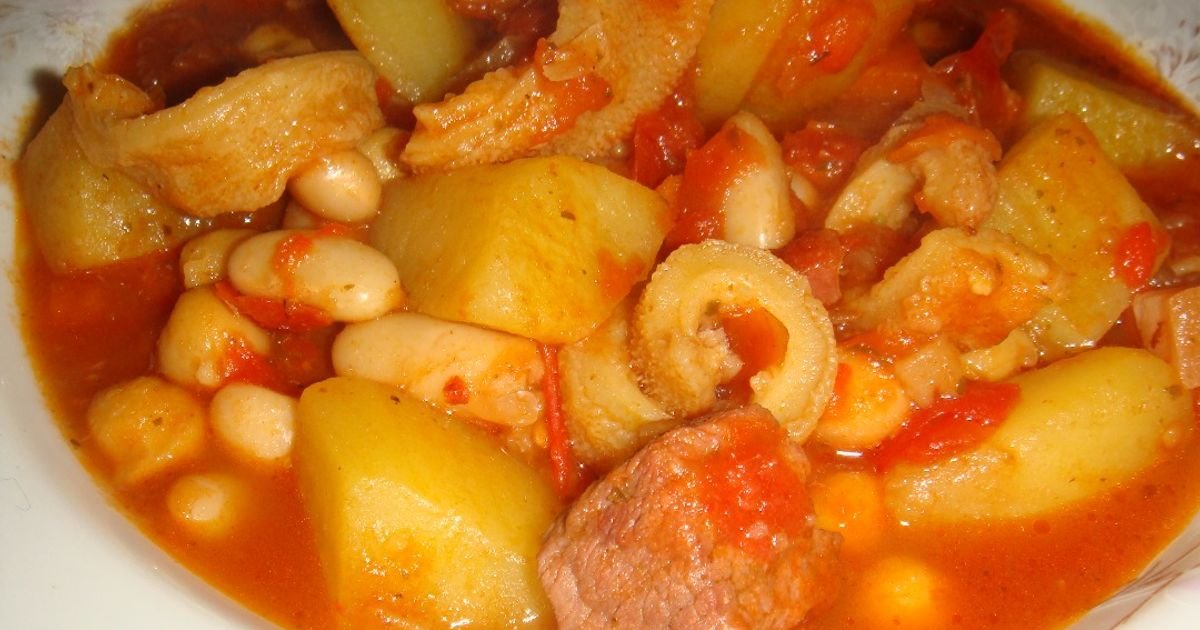
When searching for the best guiso de mondongo near you, knowing what authentic quality looks and tastes like will save you from disappointing imitations. A properly made guiso de mondongo should arrive in a wide, deep bowl with a rich, amber-to-brick-red broth that carries the unmistakable aroma of cumin, hogao sofrito, and cilantro.
The tripe itself should be tender enough to cut easily with a spoon but should retain a slight chew — this is the characteristic texture of well-prepared mondongo, not a defect. If the tripe is tough or rubbery, it has not been cooked long enough. If it has dissolved entirely into the broth, it has gone too far. The sweet spot is a piece that gives gently under pressure and carries the full flavor of the broth it has been simmering in for hours.
The broth should be thick and hearty rather than thin and watery, with visible pieces of potato, corn rounds, and sometimes chickpeas or yuca adding color and texture. A generous shower of fresh cilantro on top is non-negotiable in an authentic Colombian or Venezuelan preparation. The accompanying lime wedge and avocado slices should arrive at the table at the same time as the bowl — they are part of the dish, not optional extras.
A sure sign of authenticity is the aroma that precedes the bowl. Great guiso de mondongo announces itself from the kitchen, filling the dining room with the warm, herby, slightly tangy fragrance of a stew that has been given the time it deserves.
Tips for Finding Guiso de Mondongo Near You
Since guiso de mondongo can sometimes rotate on and off menus depending on the day and the cook’s preparation schedule, a few practical strategies will help you find it reliably. The most effective approach is simply to call the restaurant ahead of your visit and ask directly. Colombian and Venezuelan restaurants that serve traditional cooking will almost always have mondongo on certain days — often Sundays, which are traditionally the day for large, slow-cooked family-style meals in Colombian culture.
Following Colombian and Venezuelan restaurants on social media platforms is another highly effective tactic. Many post their daily specials, and a photo of a steaming pot of guiso de mondongo is exactly the kind of content that gets shared enthusiastically within community networks.
If you live in a city with a significant Colombian community — Queens in New York, Doral in Miami, or certain neighborhoods in Chicago — exploring the neighborhood directly can yield hidden gems that don’t appear prominently in online searches but are deeply embedded in the local community.
The Cultural Significance of Guiso de Mondongo
Guiso de mondongo is more than a dish. In Colombia, it is a statement of identity — a food that connects people to their roots, their families, and their heritage regardless of where they live. For Colombians living in London, New York, or Los Angeles, a bowl of mondongo is an act of memory. It is the taste of a grandmother’s kitchen, of Sunday afternoons, of celebrations and ordinary days elevated by good food made with love.
This emotional dimension is one of the reasons that the best guiso de mondongo is almost always found not in fine dining establishments trying to reinvent it, but in neighborhood restaurants and fondas run by Colombian and Venezuelan families who make it the same way their mothers and grandmothers did. The dish does not need reinvention. It needs to be made with the same care and patience that has always been its defining characteristic.
Conclusion: Find Your Best Guiso de Mondongo Near You
Whether you’re in London making the journey to El Rancho de Lalo in Brixton, in Miami sitting down at Mondongo’s Restaurante in Doral where the name says it all, in New York exploring the vibrant Colombian food culture of Corona and Jackson Heights, in Los Angeles discovering the warmth of Macondo Kitchen or La Fonda Antioqueña, or in Chicago enjoying the authenticity of QUERICOZON and Mekato’s — the best guiso de mondongo near you is waiting.
This is a dish that rewards the curious and the adventurous. It asks you to set aside preconceptions about ingredients and simply trust the tradition that has been refining this recipe for generations. Every bowl of well-made guiso de mondongo is a connection to something real — a culinary legacy that stretches from the highlands of Antioquia to the streets of Queens, from the Colombian fondas of Brixton to the family tables of Miami.
Go find your bowl. You won’t regret it.
Frequently Asked Questions About Guiso de Mondongo
Q1: What exactly is guiso de mondongo?
Guiso de mondongo is a traditional Latin American stew made from mondongo (tripe — the cleaned stomach lining of beef or pork) slow-cooked with a sofrito base of onion, garlic, tomatoes, and sweet peppers, along with potatoes, yuca, corn, and a blend of spices including cumin and coriander. It is most closely associated with Colombian and Venezuelan cuisine, where it holds a cherished place as a comfort food and cultural staple. The tripe is thoroughly cleaned and simmered for hours until tender, resulting in a rich, flavorful stew served with fresh cilantro, lime, and avocado.
Q2: What does guiso de mondongo taste like?
Guiso de mondongo has a rich, savory, and deeply aromatic flavor profile built around the slow-cooked tripe and the sofrito base. The broth is thick and fragrant, carrying warm notes of cumin and the sweet depth of cooked tomato and onion. The tripe itself is tender with a slight chew and absorbs the surrounding flavors during its long cooking time. Fresh cilantro adds a bright herbal finish, while a squeeze of lime and creamy avocado on the side balance the richness of the stew. It is hearty, warming, and deeply satisfying.
Q3: Is guiso de mondongo difficult to make at home?
Guiso de mondongo is not technically difficult, but it requires time and patience. The most important steps are thorough cleaning of the tripe (rubbing with lime or vinegar and blanching) and sufficient simmering time — at least one to two hours — to achieve the proper tenderness. The sofrito base is straightforward, and the remaining vegetables are simply added at appropriate intervals. The main commitment is time: this is not a quick weeknight dish. It is a weekend project that rewards the effort generously with a pot that serves many and keeps well.
Q4: Which countries have the best versions of mondongo stew?
Mondongo stew appears across Latin America, the Caribbean, and the Philippines (as kare-kare), each with its own regional character. Colombia and Venezuela are considered by many food lovers to have the most celebrated versions, particularly the Colombian preparation from the Antioquia region. The Dominican Republic, Puerto Rico, and Panama also have distinguished mondongo traditions. In each case, the dish reflects local ingredients, spice preferences, and cooking styles, making every version worth exploring on its own terms.
Q5: How do I find authentic guiso de mondongo near me in the UK or US?
Search specifically for Colombian or Venezuelan restaurants in your city, as these are the most likely to serve authentic guiso de mondongo. In the UK, London has the strongest scene, with standout options including El Rancho de Lalo (Brixton), Donde Carlos (Shepherd’s Bush), and Conuco Venezuelan Kitchen (Brixton). In the US, Miami’s Mondongo’s Restaurante in Doral is specifically dedicated to the dish, while New York’s Corona and Jackson Heights neighborhoods in Queens offer multiple excellent Colombian options including Paraíso Colombiano and Cositas Ricas. Always call ahead to confirm mondongo is being served that day, as it often appears as a rotating daily special rather than a permanent menu fixture.

Ryan Beck is an experienced SEO strategist and blogging expert with over 20+ years of hands-on experience in digital marketing. He has built a strong reputation for helping businesses grow their online presence through data-driven SEO strategies, high-quality content creation, and audience-focused blogging.