Callos a la Madrileña: The Ultimate Guide to Madrid’s Most Beloved Comfort Dish
Introduction: Why Callos a la Madrileña Deserves a Spot on Your Table
There are dishes that feed the body, and then there are dishes that feed the soul. Callos a la madrileña belongs firmly in the second category. This rich, deeply flavored tripe stew has been warming the hearts and bellies of Madrileños for centuries, and its reputation has quietly spread far beyond the cobblestone streets of Spain’s capital.
If you’ve been searching for the best callos a la madrileña near you, chances are you already know something magical awaits. But whether you’re a first-timer curious about what all the fuss is about, or a seasoned fan trying to recreate the experience you had in a tiny Madrid tavern, this guide is for you. We’ll walk through the history, the ingredients, the cooking techniques, and how to find an authentic version of this legendary dish wherever you happen to live.
What Exactly Is Callos a la Madrileña?
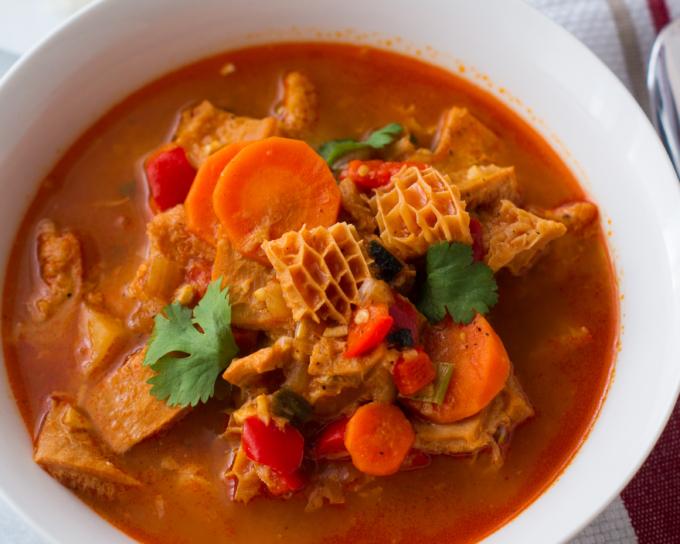
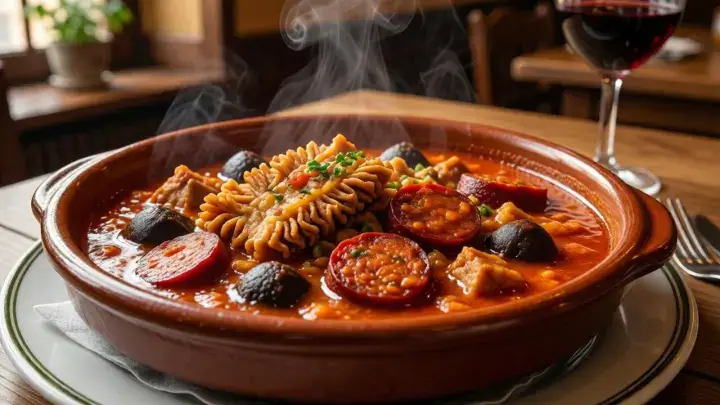
At its core, callos a la madrileña is a slow-cooked stew made primarily from beef tripe, cured chorizo, blood sausage (morcilla), and chickpeas, all simmered together in a bold, paprika-laced tomato and broth base. The name translates roughly to “Madrid-style tripe,” and the dish is considered one of the capital’s most representative culinary creations.
The texture is something that surprises first-time eaters. Tripe, when cooked correctly over low heat for several hours, loses its toughness and becomes tender, almost gelatinous, soaking up every complex flavor in the pot. The chorizo releases its smoky fat into the broth, the morcilla adds an earthy depth, and the chickpeas give the stew a satisfying, hearty body.
Callos a la madrileña isn’t just food — it’s a cultural institution. Served in family homes, old-school tabernas, and celebrated restaurants alike, this dish carries with it the weight of tradition and the warmth of generations.
A Brief History of This Madrid Classic
To understand callos a la madrileña, you have to understand Madrid’s culinary soul. The city has always been a melting pot of Spain’s diverse regional flavors, and its cuisine reflects centuries of trade, immigration, and cultural exchange.
Tripe has been a staple of European peasant cooking since the Middle Ages. Offal cuts like stomach lining were affordable and nourishing — the food of working people who couldn’t afford prime cuts of meat. Over time, cooks in Madrid refined the preparation, adding local ingredients like pimentón (Spanish smoked paprika), chorizo from Extremadura, and the earthy chickpeas that are central to Castilian cooking.
By the 19th and 20th centuries, callos a la madrileña had evolved from humble street food into a beloved tavern staple. Establishments in the old quarters of Madrid — particularly around La Latina and the Lavapiés neighborhoods — became famous for their signature versions. The dish even gained a reputation as the ultimate hangover cure, traditionally consumed after long nights of celebration.
Today, callos a la madrileña is recognized by food historians and chefs alike as a cornerstone of Spanish gastronomy, honored in cookbooks, celebrated during festivals, and sought after by culinary tourists from around the world.
The Key Ingredients That Make It Authentic
Not all tripe stews are created equal. What separates a truly authentic callos a la madrileña from a mediocre imitation comes down to the quality and combination of its ingredients.
Beef Tripe and Honeycomb Tripe
The best versions use a combination of different tripe textures — smooth tripe and honeycomb tripe — to create contrast and depth. The tripe must be thoroughly cleaned and blanched before cooking to remove any strong odors, a step that many home cooks skip but professionals never do.
Chorizo and Morcilla
These two cured sausages are non-negotiable. Chorizo brings smokiness and color from the paprika packed inside. Morcilla, the Spanish blood sausage, contributes a rich, slightly sweet earthiness that you simply cannot replicate with any substitute. Some recipes also add a ham hock or cured ham trimmings for added collagen and flavor.
Pimentón de la Vera
This smoked paprika from the La Vera region of Extremadura is the backbone of the dish’s color and aroma. Using sweet, bittersweet, or a combination of both varieties is traditional, while hot pimentón adds fire for those who prefer a spicier bowl of callos a la madrileña.
Chickpeas
Dried chickpeas soaked overnight and cooked until creamy are far superior to canned ones in this dish. They absorb the broth’s flavors beautifully and hold their shape even through the long cooking process.
The Sofrito Base
A slow-cooked sofrito of onion, garlic, tomato, and olive oil forms the flavor foundation. This patient, unhurried base is what gives the stew its rounded complexity and savory depth.
How Callos a la Madrileña Is Traditionally Prepared
The preparation of callos a la madrileña is a labor of love. There are no shortcuts — the dish demands time, attention, and respect.
The tripe is first cleaned meticulously, then blanched in boiling water with a splash of vinegar to neutralize any gamey notes. It’s rinsed, then cut into bite-sized pieces. Meanwhile, the chorizo and morcilla are sliced into thick coins, and the pre-soaked chickpeas are set aside.
The sofrito is built slowly in a wide, heavy-bottomed pot — olive oil, finely diced onion cooked until translucent, garlic added next, then crushed tomato stirred in and reduced. Pimentón goes in at this stage, but briefly — Spanish cooks know that paprika burns quickly and turns bitter if left over high heat for more than a few seconds.
The tripe is added to the sofrito along with enough water or beef broth to cover everything generously. The pot is brought to a gentle simmer and left to cook, covered, for anywhere from two to four hours. An hour before the finish, the chickpeas, chorizo, and morcilla join the pot.
The result is a stew so deeply flavored and aromatic that it fills the entire kitchen — and probably the hallway too. Authentic callos a la madrileña is always served piping hot, often with crusty bread on the side for soaking up every last drop of that incredible sauce.
Regional Variations and Creative Takes
While the Madrid version is considered the definitive classic, other parts of Spain have their own takes on tripe stew. Galicia’s callos con garbanzos skew slightly different in spice profile. In Asturias, the preparation leans heartier, with local sausages replacing the Madrid-style cuts.
Beyond Spain, the diaspora of Spanish immigrants carried the recipe to Latin America, where you’ll find localized versions in countries like Cuba, Mexico, and Argentina. Each iteration reflects local ingredients and palates, but the soul of the dish — slow-cooked offal in a richly spiced stew — remains recognizable.
Modern Spanish chefs have also experimented with elevated interpretations of callos a la madrileña, deconstructing the components or reimagining the presentation while preserving the essential flavors. Some contemporary restaurants serve the stew in individual clay pots, while others pair it with unexpected accompaniments like pickled vegetables or fermented chili sauces.
Finding the Best Callos a la Madrileña Near You
If you’re outside Spain, finding authentic callos a la madrileña can feel like a treasure hunt — but it’s a hunt well worth undertaking. Here’s how to track it down.
Spanish Restaurants and Tapas Bars
Start with Spanish restaurants in your city, particularly those that emphasize regional or traditional Spanish cuisine rather than generic “Mediterranean” menus. Restaurants run by Spanish-born chefs or families with Madrid roots are your best bet. Look for menus that describe the dish in Spanish and mention specific ingredients like morcilla or pimentón de la Vera.
Latin American Restaurants
Given how widely Spanish culinary traditions spread through Latin America, Cuban, Mexican, and Peruvian restaurants sometimes carry their own interpretations of tripe stew that share DNA with callos a la madrileña. While not identical, they offer a gateway into similar flavor profiles.
Specialty Food Stores and Delis
Some European specialty grocery stores and Spanish delicatessens sell prepared or semi-prepared versions of callos a la madrileña, either refrigerated or in cans imported from Spain. Brands like Casa Tarradellas and Litoral are well-regarded Spanish producers whose products appear in specialty retailers in many countries.
Online Ordering
Several Spanish food import companies now ship authentic prepared dishes directly to your door. A quick search for “authentic Spanish food delivery” or “Spanish groceries online” will surface options that may carry callos a la madrileña in vacuum-sealed or canned form.
Cook It Yourself
If you can’t find it nearby, making callos a la madrileña at home is deeply rewarding. Tripe is available at most international or Latin grocery stores, and chorizo and morcilla can often be found at Spanish or European specialty food shops. The internet is full of excellent traditional recipes, including those published by Spain’s Ministry of Agriculture, which actively promotes the country’s gastronomic heritage.
What to Drink and Eat Alongside It
Callos a la madrileña is a powerful, assertive dish that calls for equally characterful accompaniments. In Madrid, it’s traditionally paired with a cold glass of vermouth — the bittersweet, herbal Spanish vermut that locals enjoy as an aperitivo. A cold draft beer also works beautifully, cutting through the richness of the stew.
For wine, reach for a medium-bodied red with enough tannin to stand up to the bold flavors. Spanish Tempranillo from Ribera del Duero or a Garnacha from Madrid’s own DO Vinos de Madrid are natural partners. If you prefer white, a Manzanilla or Fino sherry is a classic Madrid pairing that might surprise you with how well it complements the dish.
Crusty sourdough bread or the classic Spanish pan de pueblo are essential for mopping the sauce. Some Madrileños also enjoy a simple green salad on the side to balance the meal, though in traditional settings, the stew often appears as a standalone, substantial main course.
Why Callos a la Madrileña Is Having a Global Moment
In recent years, nose-to-tail cooking has shifted from niche to mainstream. Chefs like Fergus Henderson, who built his career celebrating offal at London’s St. John restaurant, helped rehabilitate the idea that lesser-used cuts are not inferior — they’re often more flavorful, more sustainable, and more interesting than prime cuts.
This global shift in culinary values has put dishes like callos a la madrileña in the spotlight they’ve always deserved. Food writers, travel bloggers, and culinary tourists visiting Madrid consistently report that their bowl of callos was one of the trip’s highlights. Michelin-starred chef David Muñoz, the creative force behind DiverXO in Madrid, has cited traditional Madrid food — including callos — as a deep influence on his cooking.
The dish also aligns with growing interest in sustainable eating. Utilizing the whole animal rather than discarding less popular cuts is both economically sensible and environmentally responsible. When you order or cook callos a la madrileña, you’re participating in a culinary tradition that was always ahead of its time in that regard.
Tips for Evaluating Quality When You Order
Not every restaurant that puts callos a la madrileña on the menu does it justice. Knowing what to look for helps you separate the exceptional from the mediocre.
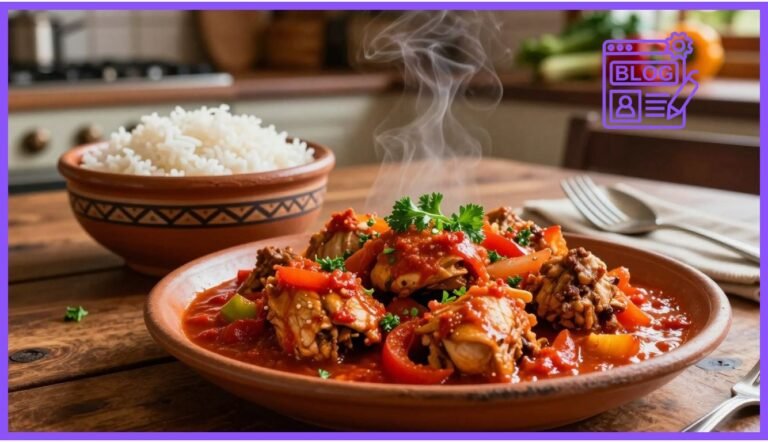
A quality version will be deep red-orange in color from the pimentón, not pale and watery. The tripe should be fork-tender with no resistance, and the sauce should be thick and glossy, coating every component. Both the chorizo and morcilla should be present — not just one or the other. The chickpeas should be creamy inside and intact, not mushy or undercooked. And the overall flavor should be layered and complex: smoky, savory, slightly spiced, with a richness that lingers pleasantly on the palate.
If the stew arrives lukewarm, thin, or smelling strongly of ammonia (a sign of poorly cleaned tripe), those are red flags. The real thing is unmistakable.
Conclusion: Seek Out Callos a la Madrileña and Taste History
Few dishes carry the depth of story, flavor, and tradition that callos a la madrileña delivers in every bowl. From its origins as humble working-class sustenance to its current status as a celebrated icon of Spanish gastronomy, this tripe stew represents everything wonderful about slow food, honest ingredients, and culinary heritage preserved with pride.
Whether you find it at a Spanish restaurant down the street, order it online from an artisan producer, or take a weekend to cook it yourself from scratch, seeking out authentic callos a la madrileña is always worth the effort. And if your search ever brings you to Madrid itself, make your way to La Latina on a Sunday morning, pull up a stool at a centuries-old taberna, and order a clay pot of callos with a cold glass of vermouth. You’ll understand instantly why this dish has never gone out of style.
Frequently Asked Questions About Callos a la Madrileña
Q1: What is callos a la madrileña made of?
Callos a la madrileña is a traditional Spanish stew made from beef tripe (typically a combination of smooth and honeycomb tripe), Spanish chorizo, morcilla (blood sausage), chickpeas, and a sofrito base of onion, garlic, tomato, and pimentón (smoked paprika). Some versions also include a ham hock or cured ham for additional depth. The dish is slow-cooked for several hours until the tripe is tender and the sauce is thick and richly flavored.
Q2: Does callos a la madrileña taste strong or gamey?
When prepared correctly — with tripe that has been thoroughly cleaned and properly blanched — callos a la madrileña should not taste gamey at all. The flavor is bold, smoky, and savory, dominated by the paprika, chorizo, and slow-cooked sofrito rather than any offal flavor. The texture of the tripe is tender and almost silky. If a version tastes unpleasantly strong, it’s likely the tripe was not cleaned adequately before cooking.
Q3: Is callos a la madrileña the same as menudo?
They are related but distinct dishes. Both are tripe stews with Spanish culinary roots, but Mexican menudo uses hominy (dried corn kernels) instead of chickpeas and is typically seasoned with dried chili peppers and oregano rather than smoked paprika and chorizo. Callos a la madrileña is the Spanish original, while menudo evolved in Mexico to incorporate local flavors and ingredients. Both are beloved comfort foods with strong cultural significance in their respective traditions.
Q4: How do I find authentic callos a la madrileña near me?
Start by searching for traditional Spanish restaurants or tapas bars in your area, particularly those specializing in regional Spanish cuisine. Look for establishments with Spanish-born chefs or menus that list specific traditional ingredients like morcilla and pimentón de la Vera. Spanish specialty food stores sometimes carry imported canned or vacuum-sealed versions from reputable Spanish brands. Online Spanish food retailers are another option for authentic products shipped to your home.
Q5: Can I make callos a la madrileña at home, and where do I find the ingredients?
Absolutely — and many food lovers find that homemade versions rival or surpass restaurant offerings. Beef tripe is available at most international or Latin grocery markets. Chorizo can be found at many supermarkets, though Spanish-style dry-cured chorizo from a specialty store is preferable. Morcilla may require a trip to a European delicatessen or an online Spanish food retailer. Pimentón de la Vera (smoked paprika) is increasingly available at well-stocked supermarkets and online. The main investment is time — this is a dish that rewards patience and low, slow cooking.

Ryan Beck is an experienced SEO strategist and blogging expert with over 20+ years of hands-on experience in digital marketing. He has built a strong reputation for helping businesses grow their online presence through data-driven SEO strategies, high-quality content creation, and audience-focused blogging.